Essential Roof Maintenance Checklist for Homeowners
Roof maintenance means inspecting shingles, flashing, gutters, attic ventilation, and organic growth regularly to extend your roof’s lifespan and prevent interior damage. Serving homeowners across Vancouver, WA and the Portland, OR metro, RedBird Roofing recommends a thorough walkthrough each spring and fall to catch problems before they escalate.
Most homeowners treat roof maintenance as something you do after you notice a problem: a stain on the ceiling, a leak during a storm. By that point, water has usually been working its way through the structure for months. The leak is the symptom. The failure behind it happened earlier, at a flashing seam or a gutter joint, long before anything showed up inside.
This checklist focuses on catching those spots before the ceiling shows you first.
Start With the Roof Itself: Shingles, Flashing, and Ridge Cap
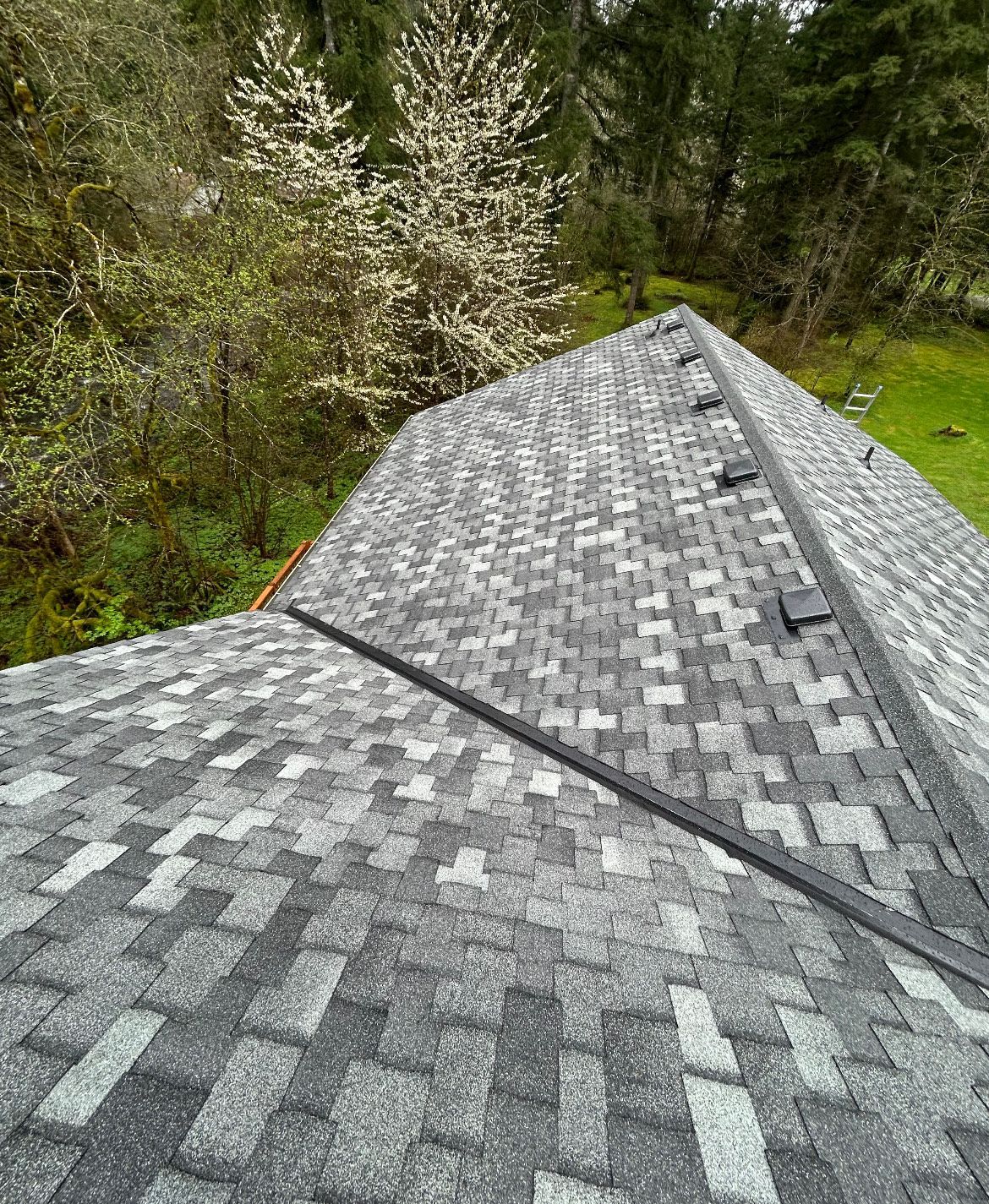
The roof is where most water problems start. A trained eye catches them before they reach the interior.
Shingles
Shingles tell a story if you know what to look for. From the ground, scan for any that are raised at the corners, darker or flatter than their neighbors, or granule piles in your gutters after a rain. Granules—the mineral particles that coat asphalt shingles—protect the mat from UV degradation. Finding them in downspout runoff means the shingles are aging and are worth a closer look.
Flashing
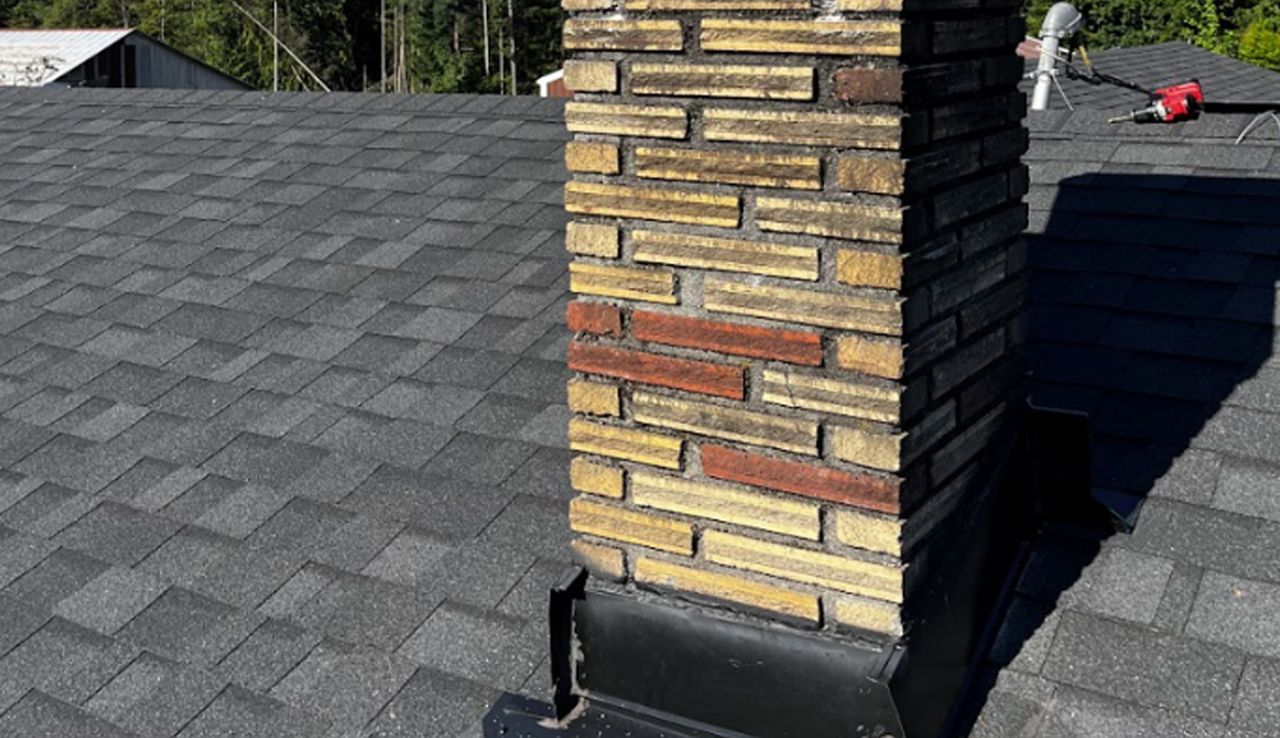
Flashing is the metal that seals your roof at every transition point: chimneys, skylights, dormers, and wall junctions. It's one of the most common sources of roof repair calls RedBird receives. Even a small separation or crack in the sealant lets water track behind the roofline and into the structure. Look for gaps, streaks of rust, or lifted edges at metal seams.
Ridge Cap
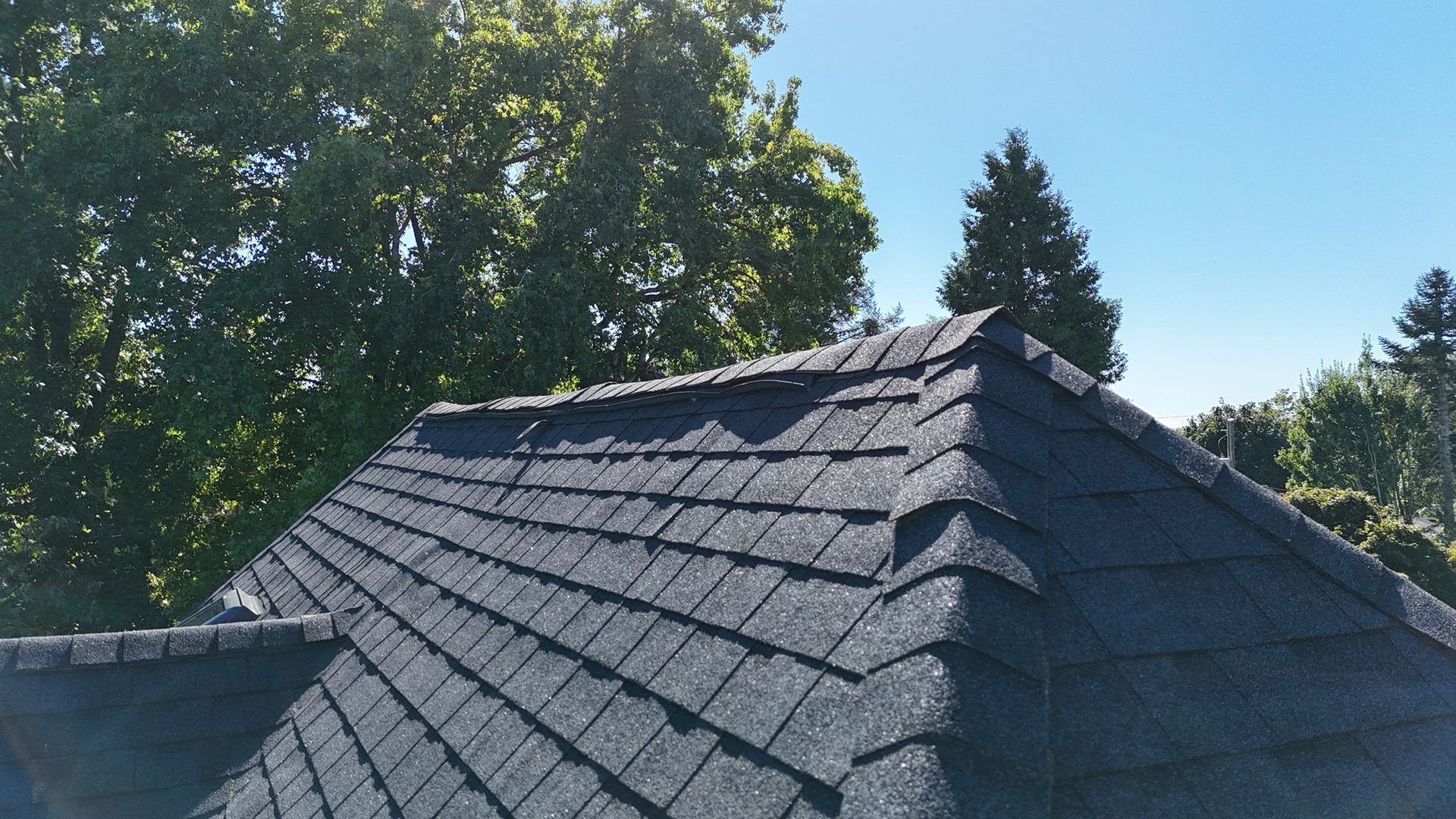
The ridge cap—the shingles running along the roof's peak—experiences more direct wind exposure than any other section. In the Columbia Gorge corridor, sustained winds can exceed 60 mph during winter events. Check for lifted, cracked, or missing ridge cap shingles, since those are the spots where wind-driven rain enters most easily.
Gutters and Downspouts: Don't Skip the Full System
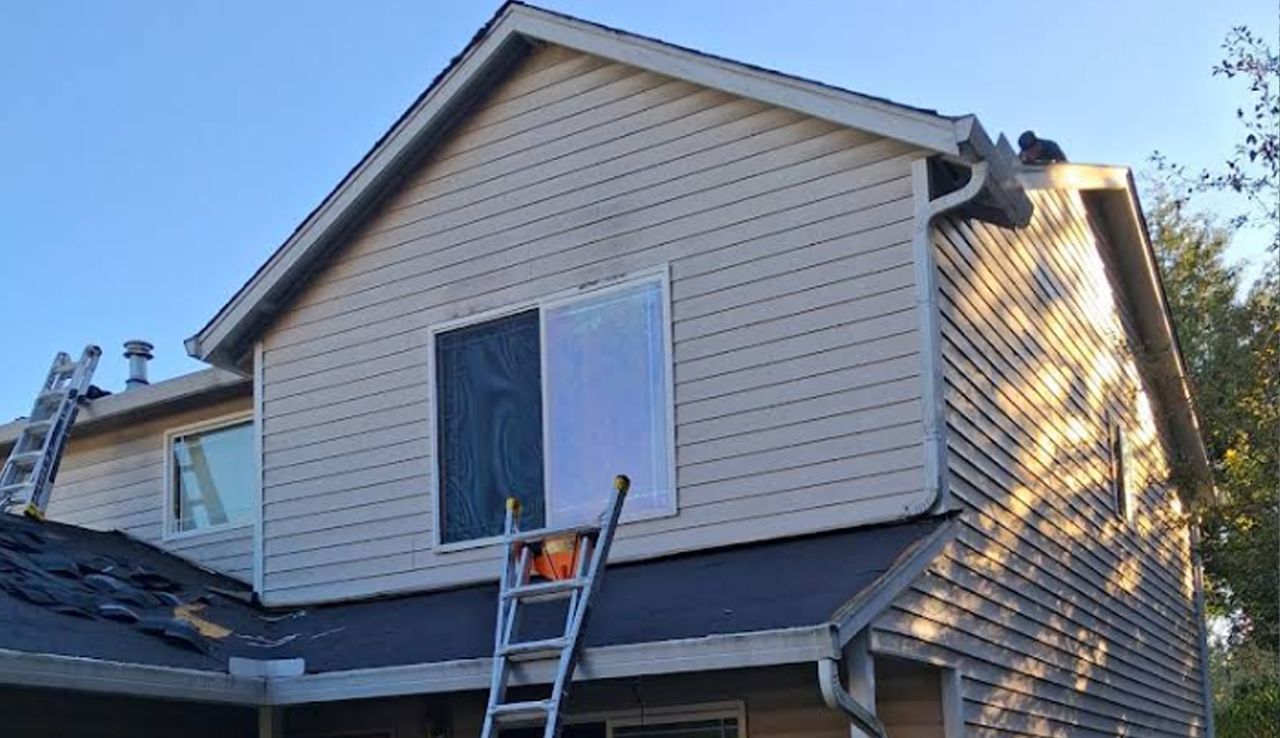
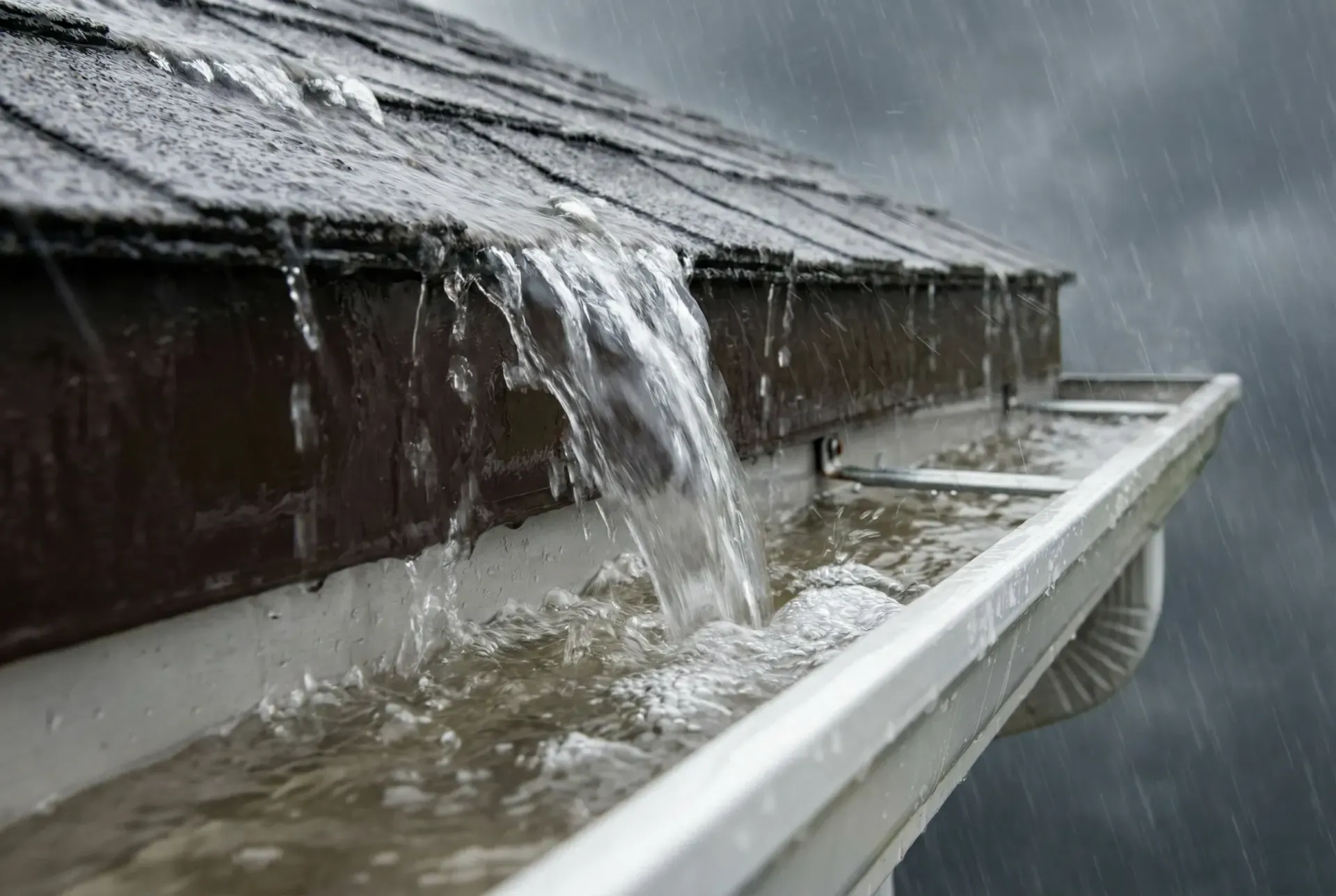
Gutters are part of your roof's drainage system, and a clogged or sagging gutter line puts water exactly where you don't want it: against your fascia board and foundation. After cleaning out debris, run a hose at the far end and watch how it moves. It should drain steadily without pooling. Pooling means the pitch needs adjustment; overflow despite no blockage often means the gutters are undersized for your roof's load.
Check where the downspouts terminate. In Portland's urban neighborhoods, where homes often sit on smaller lots with limited yard slope, short extensions are among the most overlooked reasons for basement moisture. Direct water at least 4 to 6 feet from your foundation. For a deeper look at wet season preparation, our rainy season roof maintenance guide covers what to prioritize before the rains arrive.
RedBird's seamless aluminum gutters are a solid upgrade for homeowners with failing or corroding seams. If you're doing a full roof replacement, our 50% off gutters promotion makes bundling both services worth considering.
Attic Ventilation and Interior Warning Signs
A healthy attic has balanced intake and exhaust ventilation, which keeps summer heat from baking shingles from below and prevents winter condensation from soaking your roof deck.
The following signal a problem:
- Attic temperatures that feel extreme compared to outdoors
- Frost on the underside of the deck in winter
- Shingles prematurely aged on one section
Inside the home, check ceilings in top-floor rooms and around skylights for water stains or soft spots. New staining or soft drywall after heavy rain warrants a professional roof inspection before the next wet season. Some older stains are from resolved issues, but it’s still better to rule out an active problem.
Moss, Algae, and Organic Growth
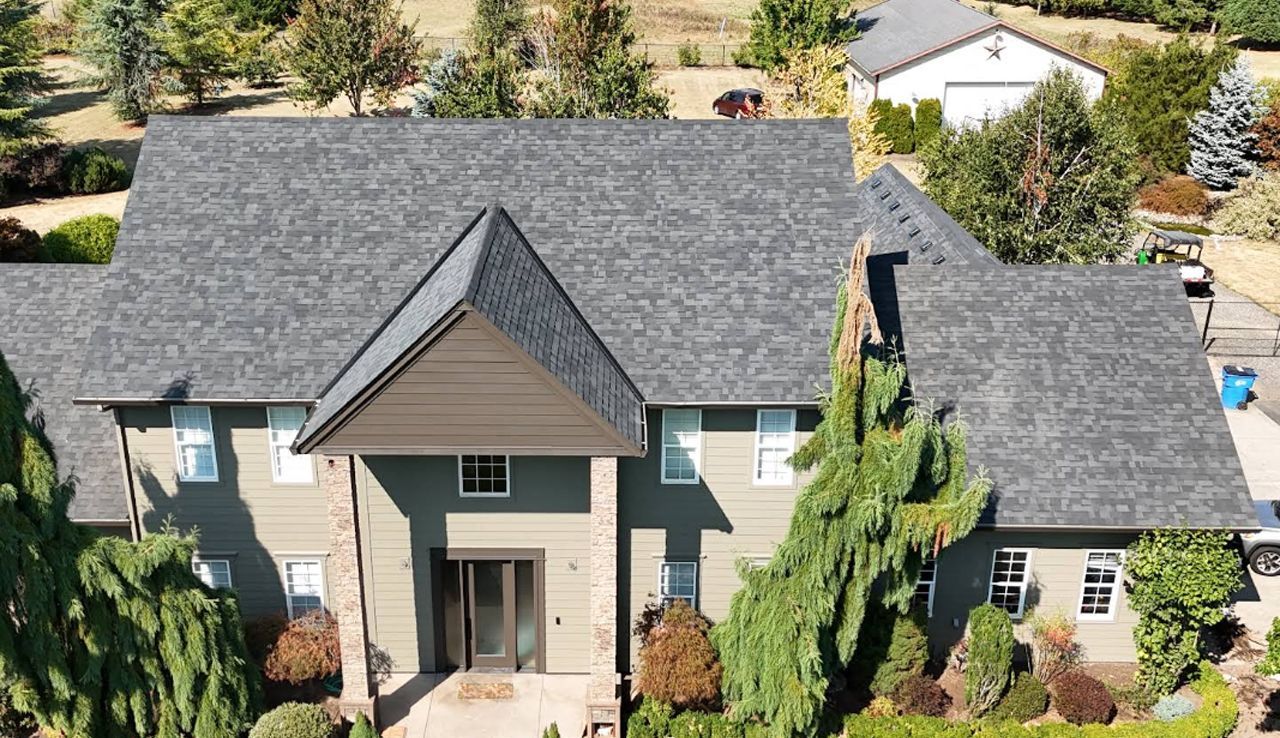
The Pacific Northwest's humidity and shade create ideal conditions for moss and algae on north-facing roof slopes. Moss isn't just cosmetic: its root structure works under shingle tabs and lifts them over time, accelerating moisture intrusion. Left unchecked for several years, a mossy section that looked manageable can compromise the roof deck beneath it.
Zinc or copper strips installed near the ridge slow regrowth passively, since runoff carries ions that inhibit moss. For active growth, a low-pressure wash with a moss treatment solution (not a pressure washer, which strips granules) followed by a zinc strip installation is sufficient for most residences.
For Vancouver and Portland area homeowners with significant tree coverage, an annual inspection is worth scheduling even if the roof looks fine from the street. Trees drop debris that holds moisture against shingles, and overhanging branches accelerate wear on the sections below them.
Frequently Asked Questions
How often should homeowners schedule roof maintenance?
Most roofing professionals recommend inspecting your roof twice a year: once in spring after winter weather, and once in fall before the next rainy season. For homes with significant tree coverage or north-facing slopes prone to moss in the Vancouver and Portland area, annual professional inspections provide more thorough assessments than ground-level walkthroughs alone.
Can I do roof maintenance myself, or should I hire a contractor?
Ground-level visual checks, gutter cleaning, and moss treatment are tasks most homeowners can handle safely. Accessing the roof itself presents serious risks, and walking on shingles can cause damage if done incorrectly. RedBird Roofing recommends leaving any ladder-based inspection, flashing evaluation, or ridge cap check to a licensed contractor, especially on steeper-pitched roofs.
What's the most common roof problem found during spring inspections?
Flashing failures and granule loss are the most common findings RedBird encounters during spring inspections in the Vancouver metro. Flashing separates at sealant joints after seasonal temperature cycling, and granule loss from aging shingles is often first noticed in gutters and downspouts after winter storms.
Your Roof Is an Investment Worth Protecting
A well-maintained roof in the Pacific Northwest lasts years longer than one that only gets attention when something goes wrong. These checks take less than an hour and can meaningfully extend your roof's life.
When you find something that needs professional attention, RedBird Roofing is licensed and insured in both Washington and Oregon, backed by a 25-year labor warranty, and available with 24/7 live answering. Request your free estimate and we'll take a look before the next storm rolls in.
Contact Us Today!
We will get back to you as soon as possible.
Please try again later.