The Top Roof Shingle Options and How to Pick the Right One
The best type of roof shingle depends on your roof's conditions, local climate, and the installation quality behind it, not just price or appearance. Architectural, impact-resistant, and designer shingles each perform differently in practice. RedBird Roofing helps Vancouver and Portland homeowners select shingles built for the Pacific Northwest's rainfall, moss growth, and Gorge-corridor wind exposure.
Here's a belief worth challenging: the most expensive shingle is automatically the best choice. That logic falls apart once you understand that performance is shaped as much by ventilation and installation as by the product itself. RedBird has watched premium shingles fail on poorly ventilated roofs across Vancouver and Portland while mid-grade shingles outlast their projected lifespan when the job is done right.
What "Best" Actually Means for Roof Shingles
The right shingle for a Pacific Northwest home comes down to three criteria: wind resistance, moss and algae resistance, and impact rating. Each is tied directly to what Vancouver and Portland roofs face.
Vancouver sits close enough to the Columbia River Gorge that sustained gusts can exceed 60 mph in fall and winter. Shingles rated below that threshold lift at the edges and let moisture infiltrate gradually, creating damage that often doesn't appear until a formal inspection. For residential roofing in Clark County and Portland, wind resistance is a real decision factor.
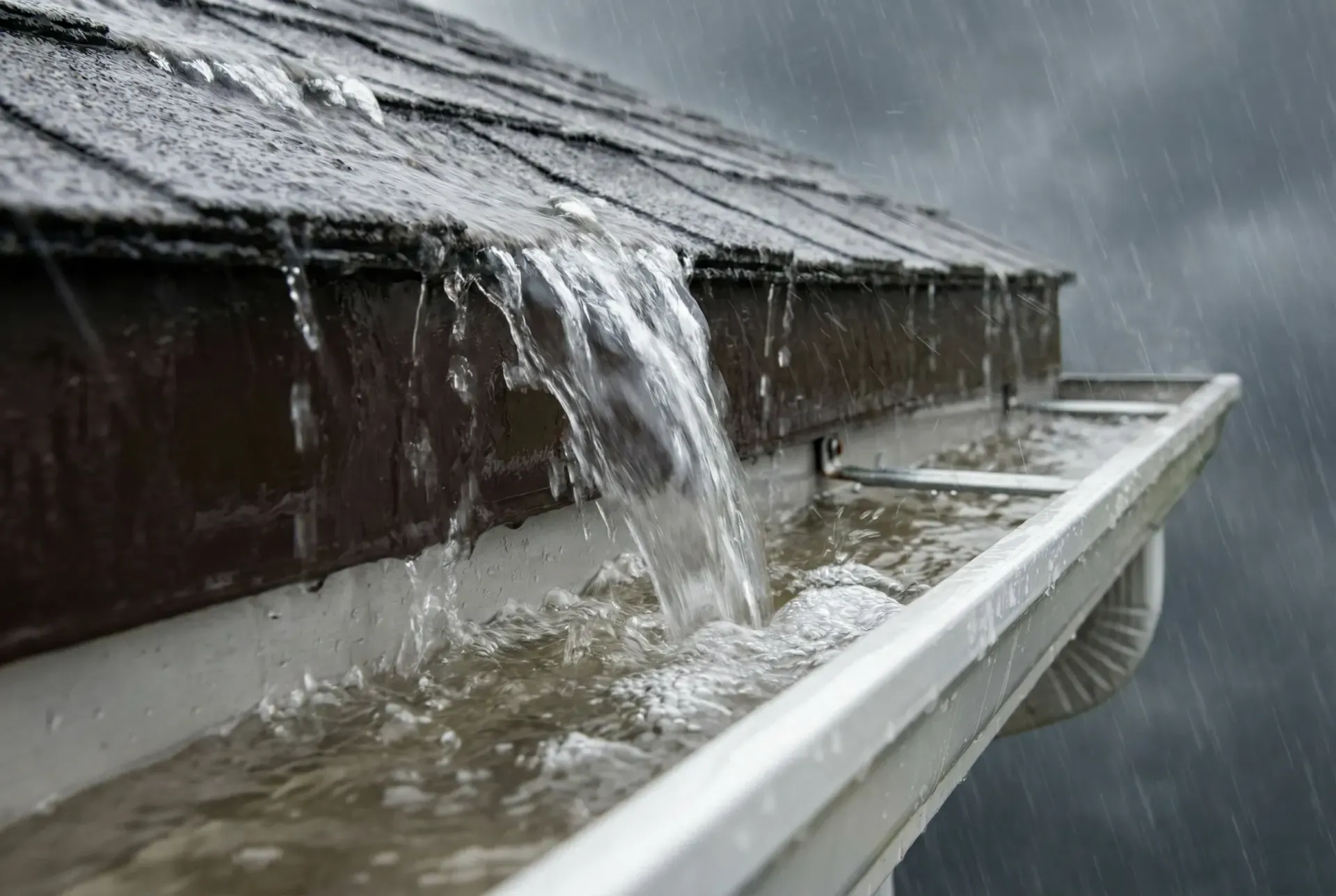
Moss is the other variable. The sustained rainfall here keeps roofs damp long enough for growth to establish. Once it takes hold, moss traps moisture against the shingle’s surface and accelerates granule loss, shortening the roof's effective lifespan.
The Main Shingle Types and What They're Built For
Most residential roofs in the Vancouver and Portland area belong to three categories of shingles:
3-Tab Shingles
Three-tab shingles are the flat, single-layer option common on older homes, with wind resistance ratings typically in the 60 to 70 mph range and manufacturer lifespan ratings of 15 to 20 years. They’re rarely the right choice for new PNW installations given the wind and rain exposure here.
Architectural (Dimensional) Shingles
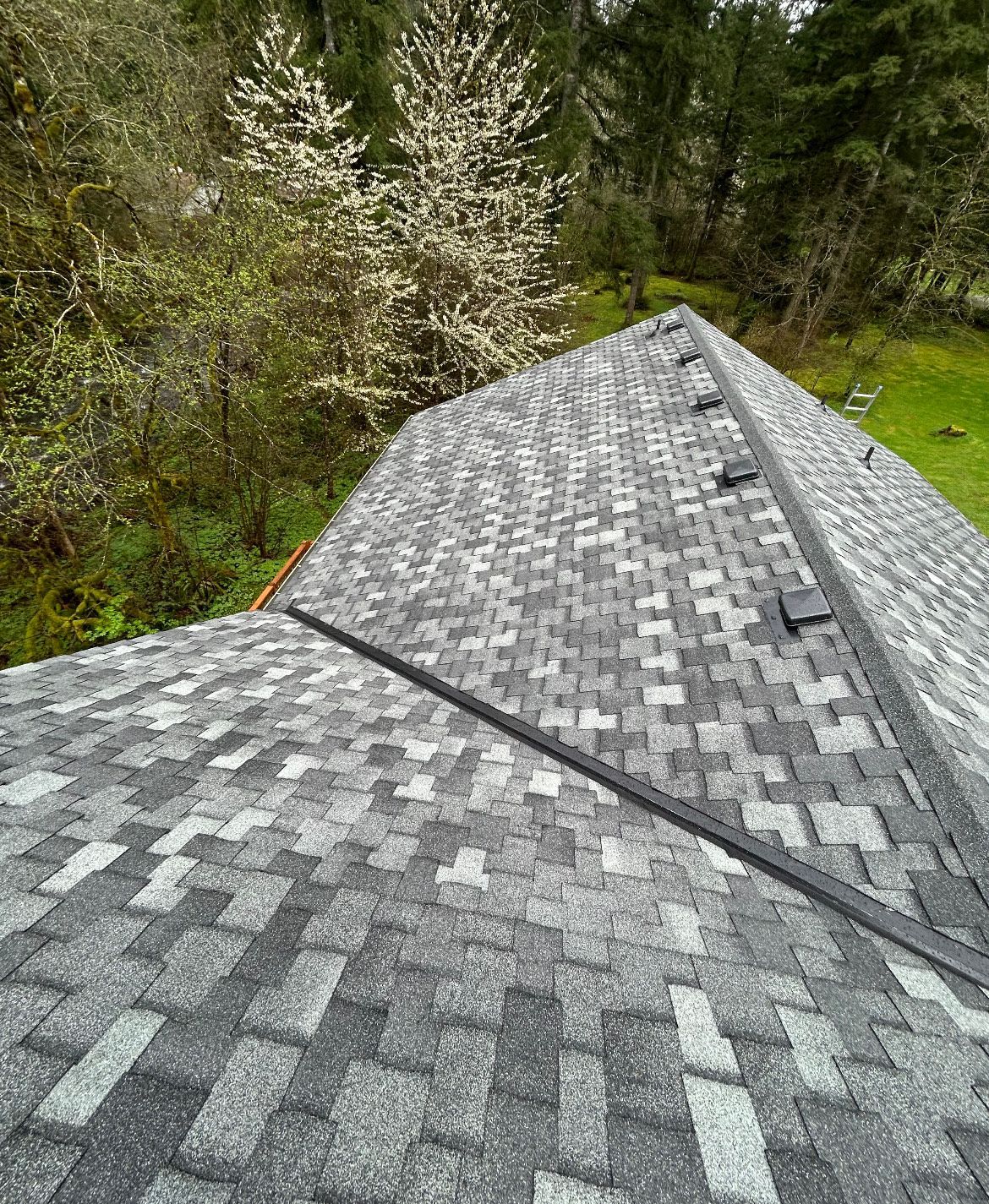
Architectural shingles are the standard for most new roofs today. Their multi-layer laminated construction adds weight that keeps them from lifting with the wind. They feature wind resistance ratings typically above 110 mph and manufacturer lifespan ratings of 30 years or more. If you're weighing the cost of shingle roofing, architectural shingles sit in the middle ground between performance and price.
Impact-Resistant and Designer Shingles
Impact-resistant shingles use a polymer-modified backing that resists cracking under debris. They’re worth considering for homes with heavy tree canopy or hail exposure. Designer shingles share the same multi-layer build as higher-end profiles like slate or wood shake. Both can come with warranties that are superior to standard architectural products.
How To Match the Right Shingle to a Roof in the Pacific Northwest
Homeowners in drier climates rarely think about algae-resistant formulations, but PNW homeowners need to. Shingles with copper-based granules inhibit moss growth at the chemistry level rather than requiring periodic cleaning. Malarkey shingles, which RedBird Roofing installs as its primary line, include these granules as standard. Our Malarkey Emerald Pro certification offers wind resistance up to 130 to 140 mph and limited lifetime manufacturer warranties.
The shingle is only part of the system. A roof replacement that holds up requires the underlayment, ice and water barrier, flashing, and ridge ventilation to all work together. Shortcut any of those and a premium shingle won't deliver. Whether you work with certified vs. uncertified roofers affects what warranty coverage you can actually register, something worth knowing before you sign anything.
Frequently Asked Questions
How long do architectural shingles last in the Pacific Northwest?
Architectural shingles in the Vancouver and Portland area carry manufacturer ratings of 25 to 35 years, though their actual lifespan depends on installation quality, ventilation, and maintenance. The wet climate accelerates moss growth without algae-resistant granules, shortening that range. Annual inspections help identify early growth before it compromises the shingle surface and leads to more expensive repairs down the line.
Is it worth upgrading to impact-resistant shingles in Oregon or Washington?
Impact-resistant shingles are worth considering for homes with mature trees nearby and those exposed to windborne debris during fall storms. Some homeowners insurance policies offer discounts for them. They typically cost more than architectural shingles, though the extended lifespan often narrows that difference over time.
How does RedBird Roofing decide which shingle to recommend?
RedBird Roofing evaluates the roof’s slope, attic ventilation, deck condition, and local wind and moisture exposure before recommending a shingle. As a Malarkey Emerald Pro Certified Contractor, RedBird can activate warranty coverage most installers can't offer. That matters most for homeowners who want long-term, transferable protection.
Ready To Pick the Right Shingle for Your Roof?
RedBird Roofing serves homeowners across Vancouver, Ridgefield, Battle Ground, Portland, Beaverton, and the wider metro.
Contact us for a free estimateand have a straight conversation about which shingle fits your roof and your coverage goals.
Contact Us Today!
We will get back to you as soon as possible.
Please try again later.