The Ultimate Roof Maintenance Checklist for Rainy Weather
The Pacific Northwest's rainy season is the ultimate test for any roof. From relentless downpours in the Portland metro area to the persistent drizzle in the Vancouver metro region, your roof is the first and most important line of defense for your home. Proactive maintenance is not just recommended; it's essential to prevent minor issues from becoming catastrophic failures. A well-maintained roof can save you thousands in potential repairs and extend the life of your investment.
This ultimate checklist will guide you through the crucial steps to prepare your roof for the rainy season and keep it performing at its best.
1. Clear Your Gutters and Downspouts
This is the single most important maintenance task before the rains begin. Clogged gutters are a primary cause of roof leaks and water damage.
- The Task: Remove all leaves, pine needles, and debris from your gutters and downspouts. Ensure water can flow freely away from your home's foundation.
- Why It Matters: When gutters overflow, water backs up and can seep under the edge of your roof, rotting the decking and fascia boards. This creates a direct path for water to enter your home. Furthermore, the sheer weight of waterlogged debris can pull the gutters away from the fascia boards, creating a larger entry point for water and pests.
2. Inspect Your Roof for Damage
A thorough visual inspection can help you spot issues before they start. From the ground, use binoculars to scan the entire roof surface safely.
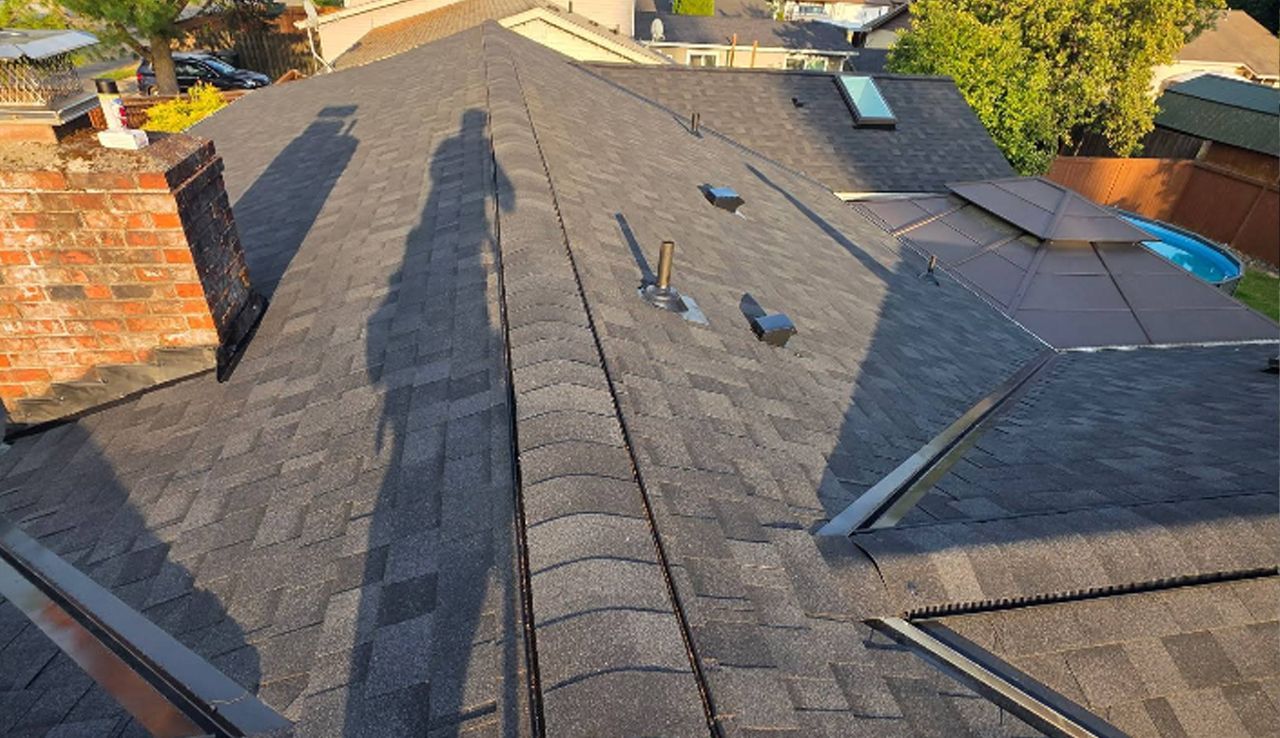
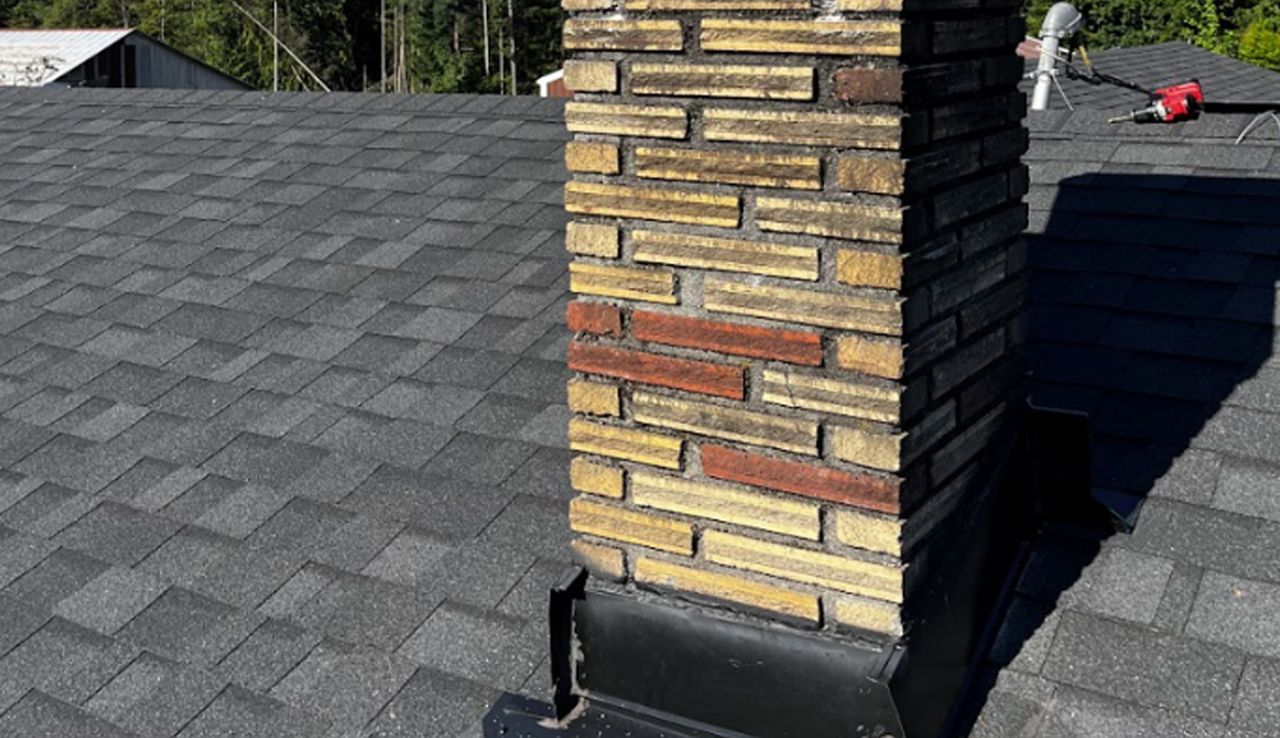
- The Task: Look for missing, cracked, or curling shingles. Pay close attention to areas around vents, skylights, and chimneys, as these are common failure points.
- Why It Matters: Damaged shingles are an open invitation for water to penetrate the underlayment. Addressing these small repairs promptly is far more cost-effective than dealing with a major leak mid-storm. If you're unsure what to look for, a professional roof inspection is a wise investment.
3. Address Moss and Algae Growth
Moss is not just a cosmetic issue in the PNW; it's a structural threat. It acts like a sponge, trapping moisture against your shingles.
- The Task: Gently remove any significant moss buildup. Avoid aggressive power washing, which can damage the shingles. For persistent issues, consider a professional roof cleaning.
- Why It Matters: Trapped moisture accelerates shingle deterioration and can lead to granule loss. In freezing temperatures, this moisture can expand, causing cracks. This is one of the most common PNW roofing issues homeowners face. Moss growth can create small dams, trapping water and forcing it to move sideways and uphill, eventually working its way beneath the protective shingle layers.
4. Check Flashing and Seals
Flashing is the metal material installed around roof penetrations to direct water away. The seals around these areas can degrade over time.
- The Task: Examine the flashing around your chimney, vents, and skylights. Look for any signs of rust, lifting, or gaps in the sealant.
- Why It Matters: Damaged flashing is one of the most common sources of roof leaks. Ensuring these seals are intact is critical for a watertight roofing system.
5. Trim Overhanging Branches
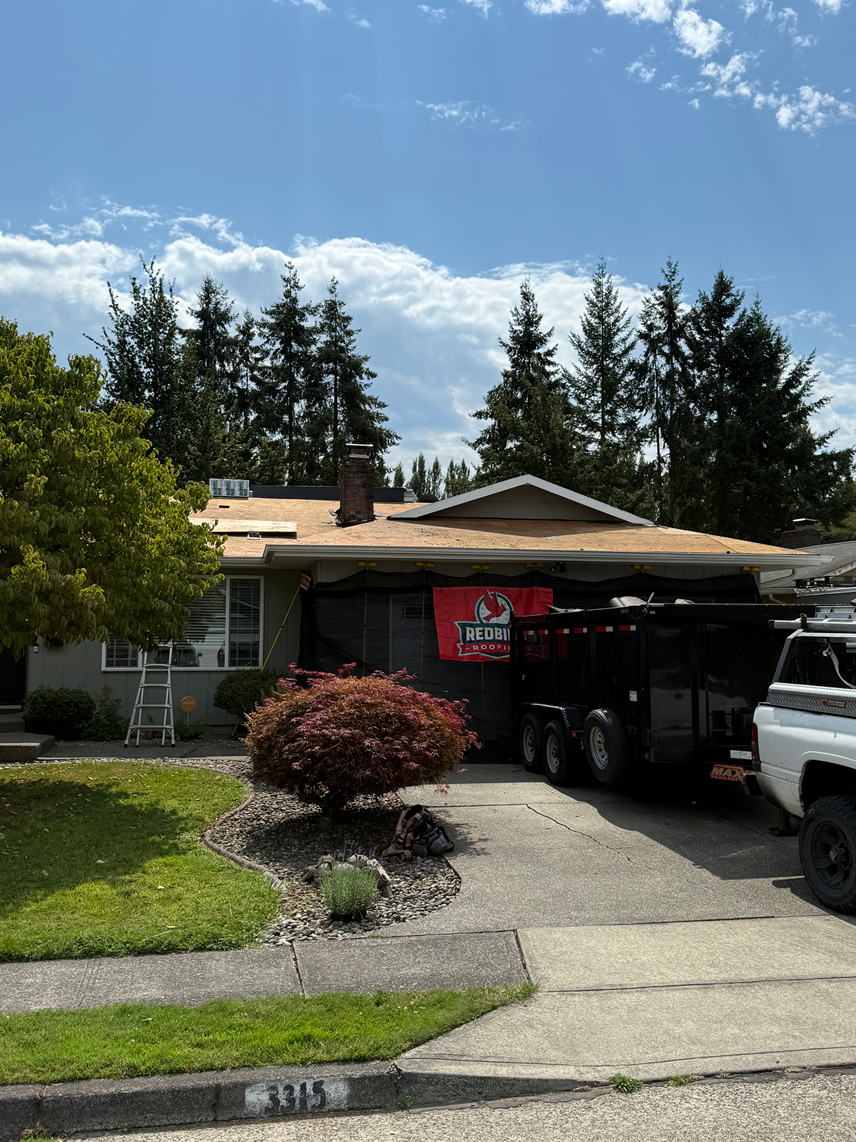
Trees are a beautiful part of the PNW landscape, but they can pose a significant risk to your roof.
- The Task: Trim any tree branches that overhang or touch your roof.
- Why It Matters: Overhanging branches can scrape against the shingles during high winds, wearing away the protective granules. They also provide a convenient bridge for pests and drop leaves and debris that clog your gutters.
6. Inspect Your Attic for Early Warning Signs
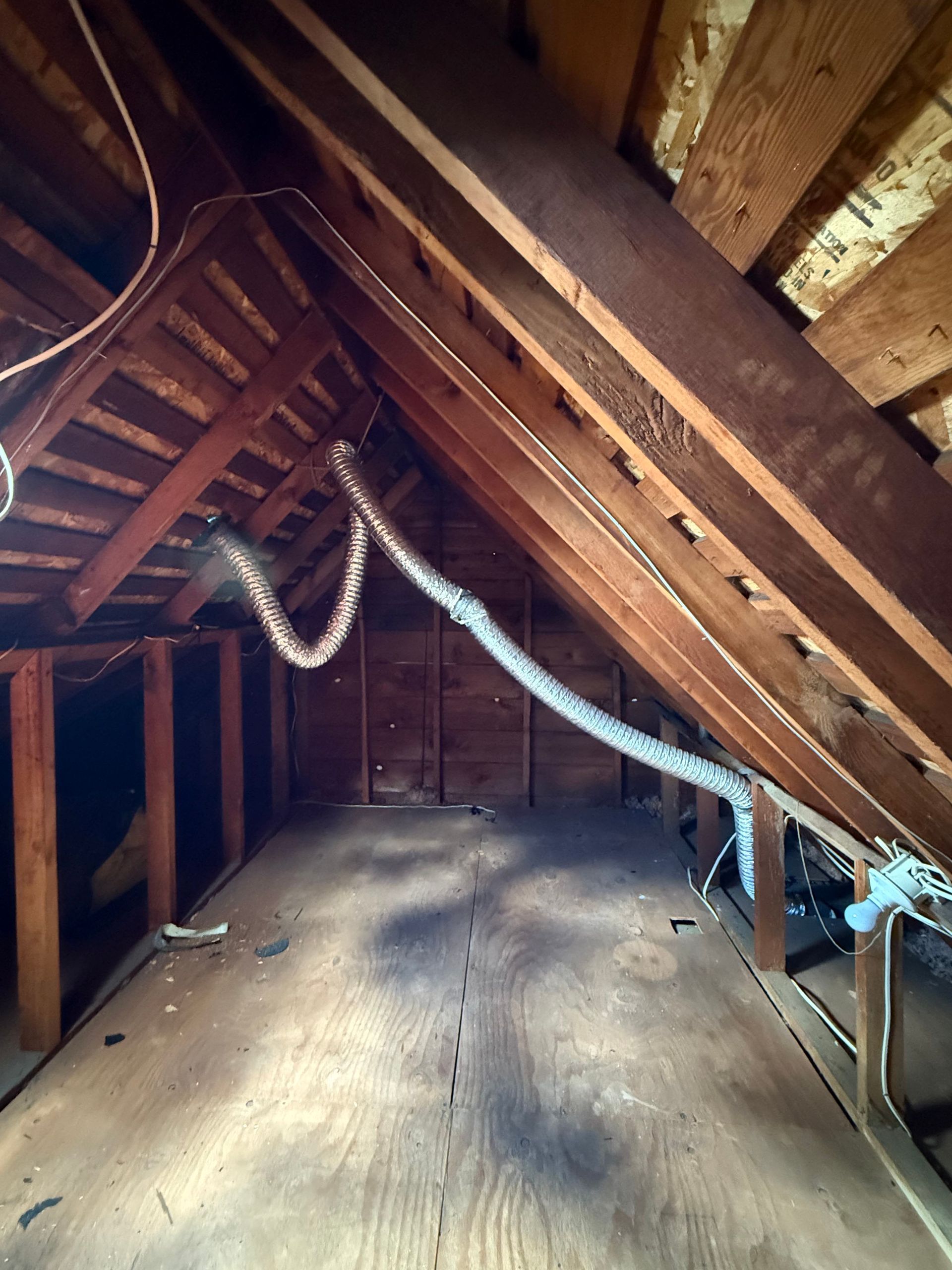
Your attic is the first place to show evidence of a roof leak, often long before stains appear on your ceiling.
- The Task: After heavy rain, safely enter your attic with a flashlight. Look for any signs of water stains on the underside of the roof decking, damp or discolored insulation, or visible drips. Pay special attention to the areas immediately below roof penetrations, such as vents and chimneys.
- Why It Matters: A small attic stain is a major red flag. Catching a leak at this stage allows for a targeted roof repair before the water has a chance to damage your ceilings or walls, or to cause dangerous mold growth in the living space below. It is the earliest possible warning sign of a problem.
Key Takeaways
Regular roof maintenance is the most effective way to protect your home and your investment. By following this checklist, you can ensure your roof is prepared to handle the demanding Pacific Northwest rainy season. A little proactive care goes a long way in preventing costly repairs and ensuring your home stays safe and dry.
Don't wait for a leak to find a problem. Contact the experts at RedBird Roofing today!
If you're not comfortable performing these maintenance tasks yourself, or if you spot any issues during your inspection, our team is here to help.
Contact us to schedule a professional roof inspection and ensure your home is ready for the rainy season.
Read More on Our Blog:
Contact Us Today!
We will get back to you as soon as possible.
Please try again later.