Your Ultimate Guide to Different Types of Roofing Materials
Choosing the right roofing material is one of the most critical decisions you'll make for your home. The material you select will not only define your home's aesthetic but also serve as its primary defense against the elements. In the Pacific Northwest, where the weather is particularly demanding, this choice is even more crucial.
This guide will walk you through the most common types of roofing materials to help you make an informed decision for your
residential roofing project.
1. Asphalt Shingles
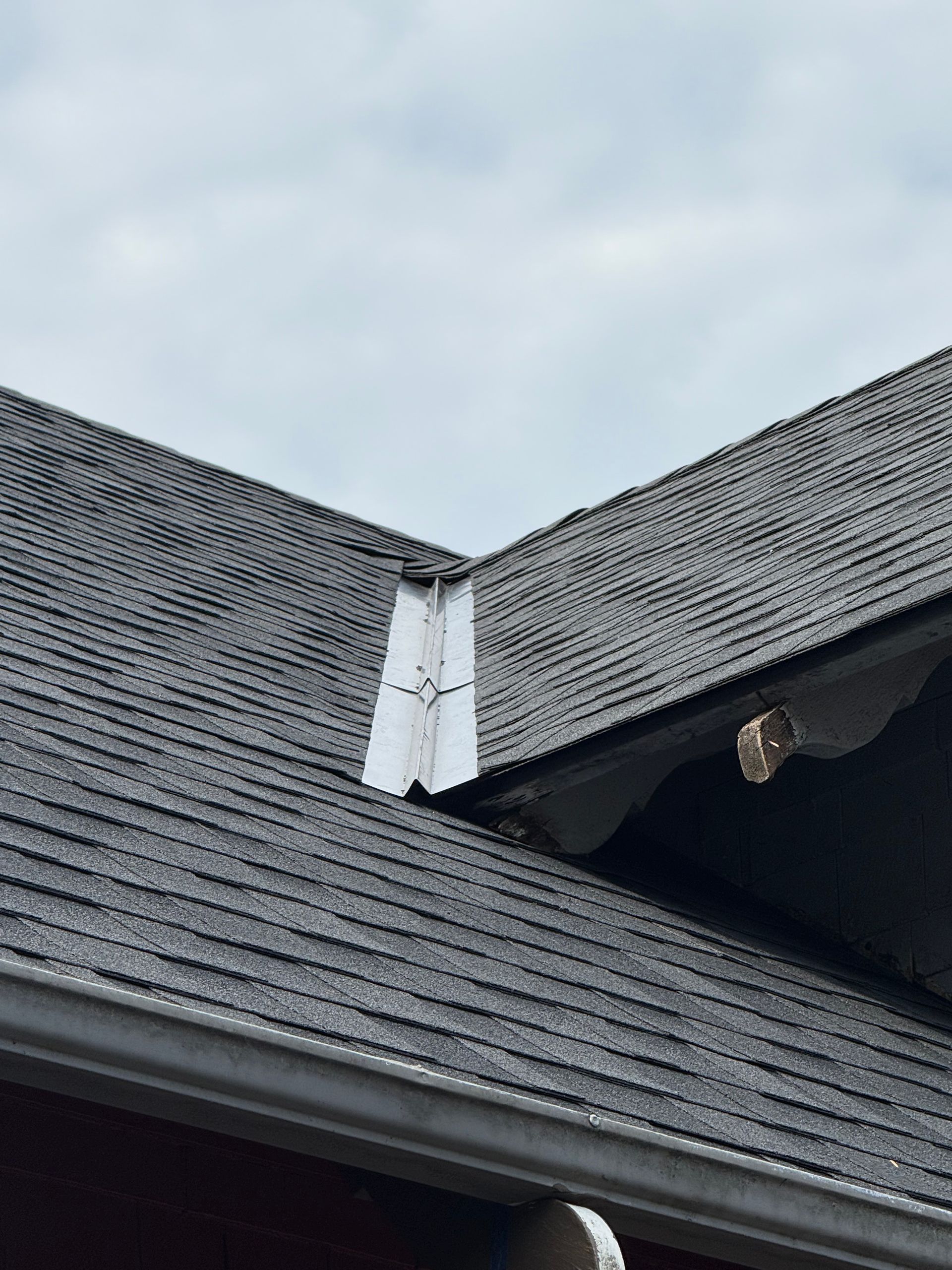
Asphalt shingles are the most popular roofing material in North America, and for good reason. They offer a versatile and cost-effective solution for most homes.
- Types: There are two main types: traditional 3-tab shingles, which are lighter and more affordable, and architectural shingles, which are thicker, more durable, and offer a more dimensional look.
- Pros: Affordable, easy to install, and available in a wide variety of colors and styles.
- Cons: Shorter lifespan than other materials (15-30 years). They can be susceptible to wind damage and moss growth in the PNW if not properly maintained.
- Best For: Homeowners seeking a reliable, budget-friendly option. For the PNW, architectural shingles with algae-resistant properties are highly recommended. Our guide on the best roof types for the Pacific Northwest offers more insight.
2. Metal Roofing
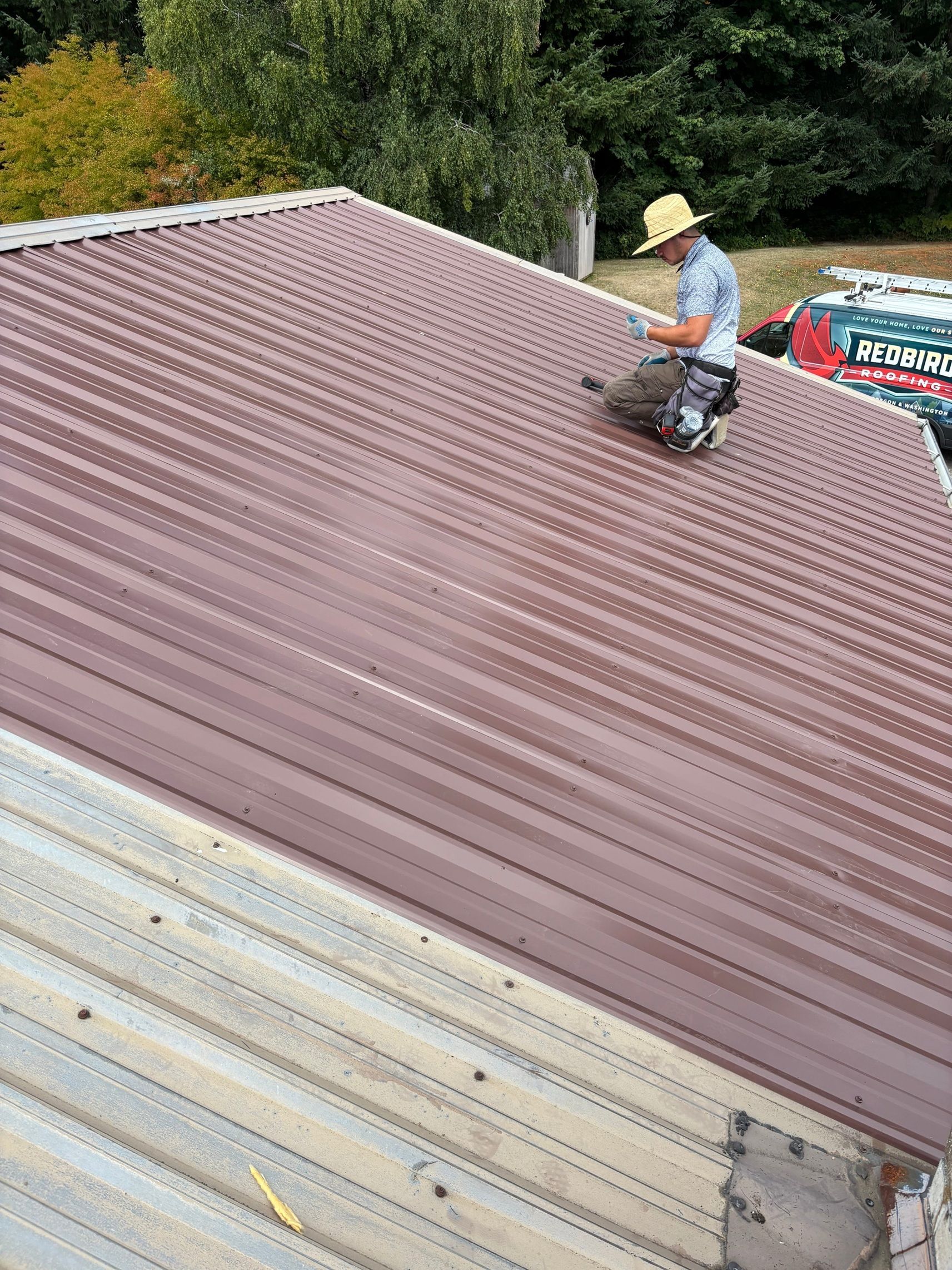
Metal roofing has surged in popularity due to its exceptional durability and modern aesthetic.
- Types: Common materials include steel, aluminum, and copper. They come in various profiles, from standing seam panels to shingles that mimic the look of other materials.
- Pros: Extremely long-lasting (50+ years), highly resistant to wind, fire, and rot. They are also excellent at shedding rain and snow, and their non-porous surface resists moss and algae growth.
- Cons: Higher initial cost compared to asphalt shingles. Installation is more specialized.
- Best For: Homeowners seeking a long-term, low-maintenance solution that offers superior protection against the elements.
3. Cedar Shakes and Shingles
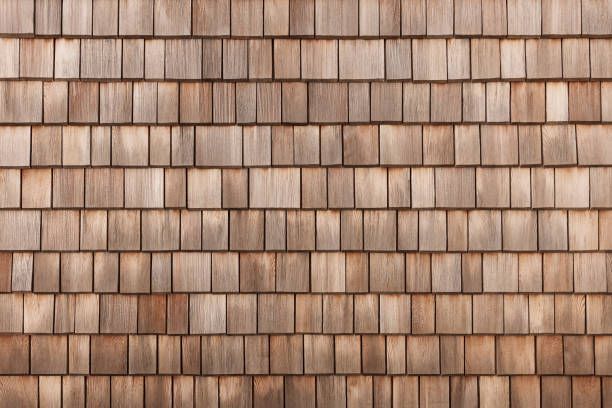
For a classic, natural aesthetic, nothing compares to cedar. It offers a timeless look that is particularly popular in the PNW.
- Types: Shakes are split from the log and have a rough, rustic appearance. Shingles are sawn and have a more uniform, smooth finish.
- Pros: Beautiful, natural appearance. When properly maintained, cedar is durable and offers good insulation.
- Cons: Requires regular maintenance, including cleaning and treatments to prevent rot, moss, and insect damage. It is also one of the more expensive roofing options and has a lower fire rating unless treated.
- Best For: Homeowners who love the natural aesthetic and are committed to the necessary maintenance. Our comparison of asphalt shingles vs cedar shakes can help you decide.
4. Synthetic (Composite) Roofing
Synthetic roofing is an innovative option that replicates the look of natural materials such as slate or cedar without the associated drawbacks.
- Types: Made from a variety of materials, including recycled rubber and plastic.
- Pros: Extremely durable, with high impact and fire ratings. They are lightweight, low-maintenance, and resistant to rot, moisture, and moss.
- Cons: Can be one of the more expensive options upfront.
- Best For: Homeowners who want the high-end look of slate or shake but desire a more durable, lightweight, and maintenance-free material.
5. Concrete and Clay Tiles
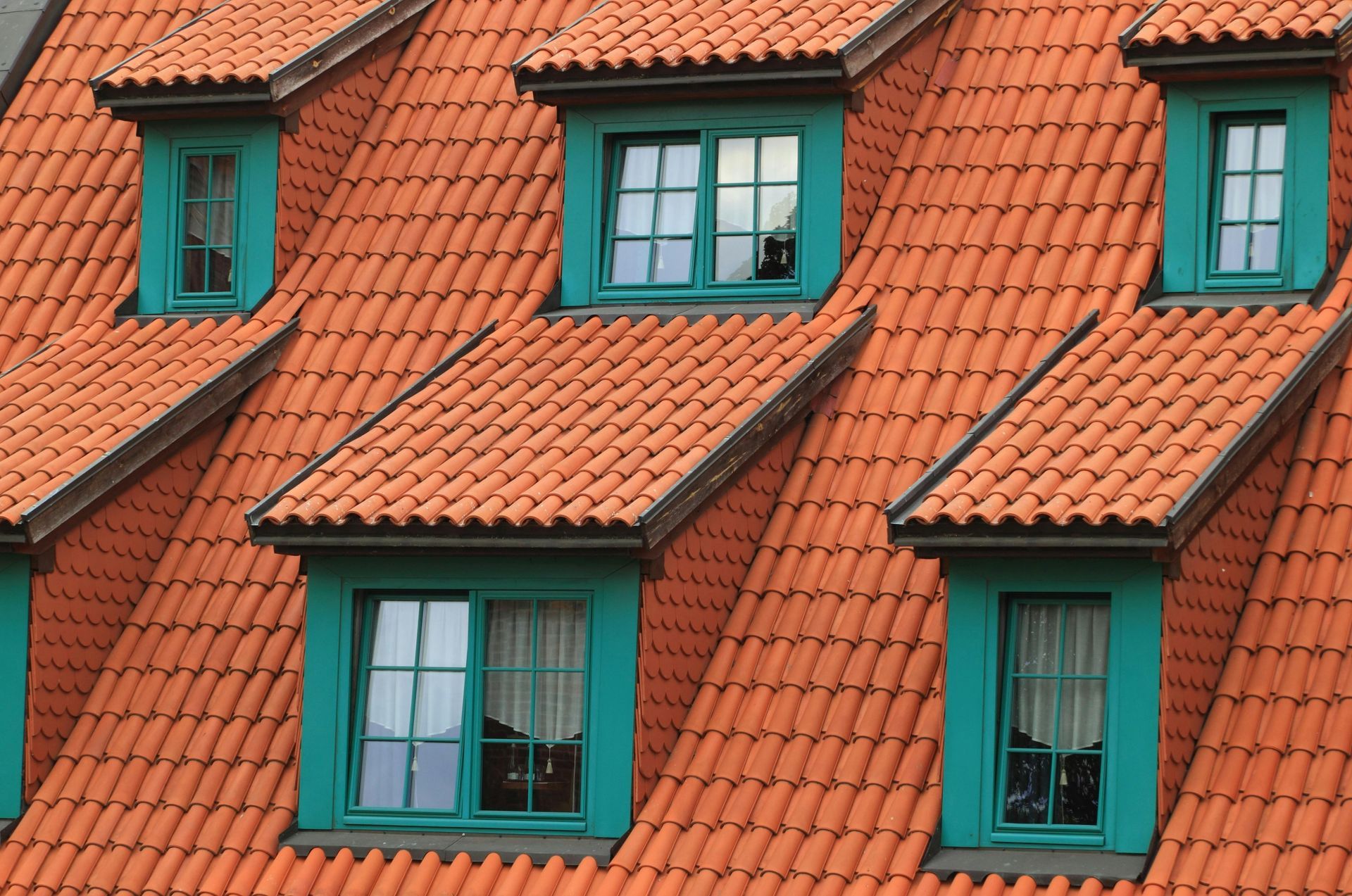
For a distinctive, durable, and fire-resistant option, concrete and clay tiles are an excellent choice, particularly for homes with a Spanish or Mediterranean architectural style.
- Types: Tiles come in a variety of profiles, from the classic curved "S" shape to flat tiles that mimic the look of slate.
- Pros: Extremely long lifespan (50-100+ years), highly resistant to fire, rot, and insects. Their weight provides excellent stability in high winds.
- Cons: Tiles are very heavy and require a reinforced roof structure to support the load. They are also one of the more expensive options, and installation is highly specialized. Individual tiles can be brittle and may crack if walked on improperly.
- Best For: Homeowners with a specific architectural style and a budget for a premium, long-lasting roofing system. It is essential to have a structural engineer confirm that your home can support the weight before considering this option.
Make the Right Roofing Choice
Your choice of roofing material will depend on your budget, aesthetic preferences, and long-term goals. It's essential to weigh the upfront cost against the material's lifespan and maintenance requirements. In the Pacific Northwest, prioritizing materials that offer superior resistance to moisture and moss is always a wise strategy. Consulting with a professional roofing contractor is the best way to determine the ideal solution for your specific home and needs.
An experienced contractor can provide physical samples, show you examples of completed projects in your area, and provide a detailed cost-benefit analysis for each option. They can also assess your home's specific needs, such as ventilation and structural capacity, to ensure the material you choose performs optimally for decades to come. Remember to ask about the
roofing warranties for each material, as they are a key part of your long-term protection.
Ready to explore your roofing material options?
At RedBird Roofing, we have experience installing a wide variety of roofing materials and can help you find the perfect fit for your home and budget.
Contact us today for a free, no-obligation consultation.
Contact Us Today!
We will get back to you as soon as possible.
Please try again later.