How Long Does a Roof Last? Lifespan Expectations by Material
How long a roof lasts depends on the material installed, the quality of installation, and the local climate. Asphalt shingle roofs are typically rated for 25 to 50 years; metal systems often last 40 to 70. RedBird Roofing installs and inspects roofs across Vancouver, WA and Portland, OR. This guide breaks down exactly what drives those differences.
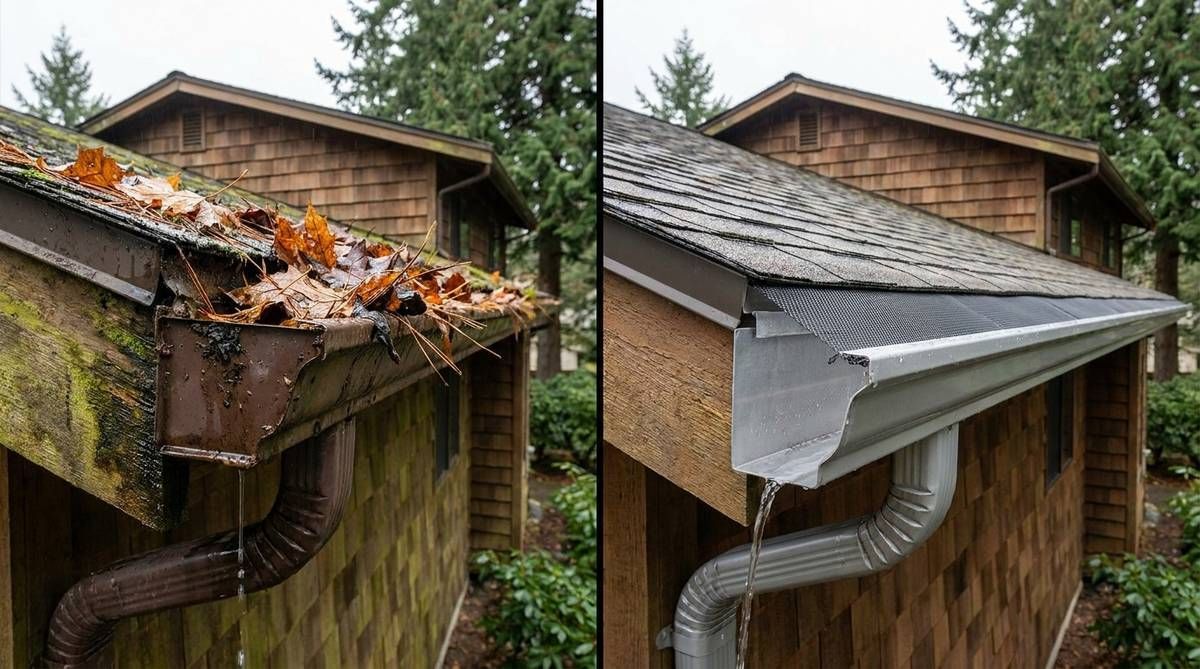
Fifteen years in, the first roof was a patchwork of lifted edges, dark algae streaks, and shingles that crumbled at the corners. The second roof, installed the same year on a house two streets over, still looked solid at 22—no moss, no curling, no granules clogging the gutters. Same age. Different material, different installation, different maintenance routine. That gap is what this guide is about: not how long roofs are supposed to last, but what actually determines whether yours gets there.
What Roof Lifespan Numbers Actually Mean
Manufacturers publish lifespan ranges, and those numbers are real, but they assume proper installation, adequate ventilation, and routine maintenance. A "30-year shingle" isn't guaranteed to last 30 years any more than a car with a 100,000-mile powertrain warranty is guaranteed to reach that mark without oil changes.
The rating reflects performance under controlled conditions. In the field, ventilation failures alone can cut expected shingle life by a third or more by trapping heat in the attic and degrading shingles from beneath. Moss and algae hold moisture against the surface and accelerate granule loss. These aren't manufacturer defects. They're maintenance failures that void the assumptions behind the rating.
How Long Each Roofing Material Lasts
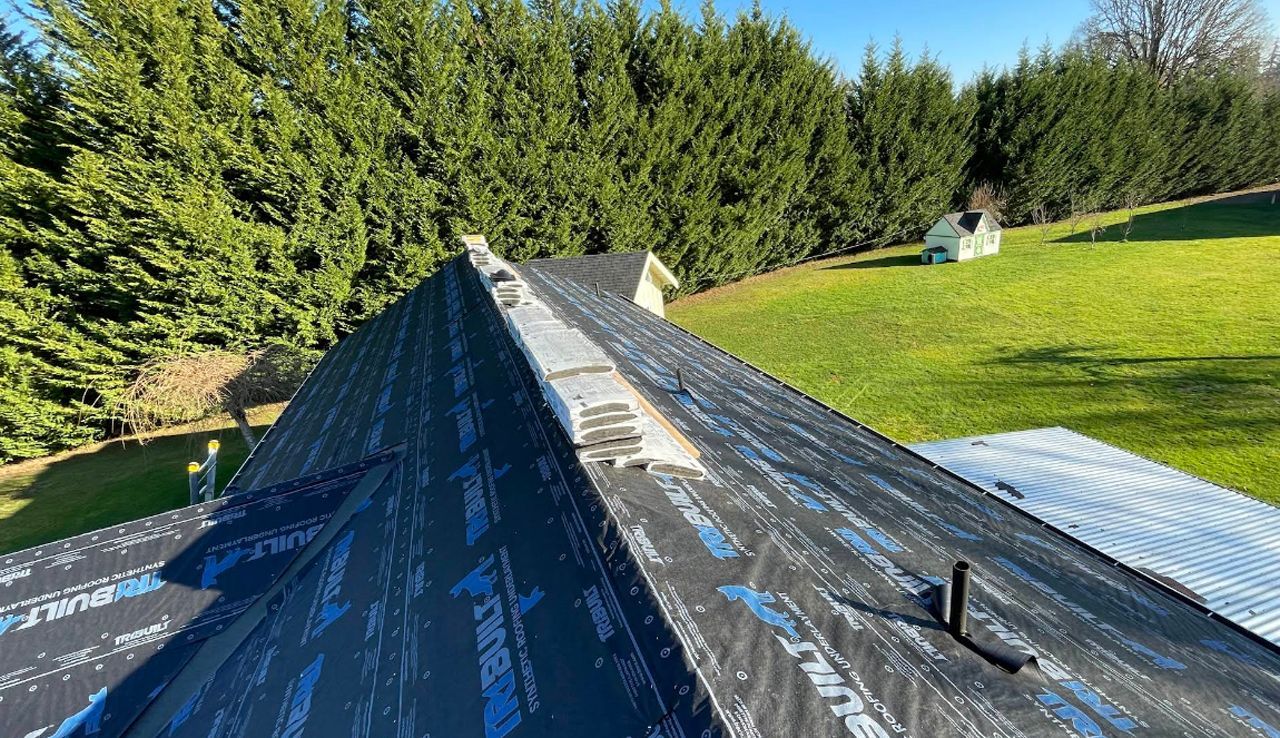
The roofing material you choose is the starting point for determining its lifespan. Here's what to expect from the most common residential systems:
Asphalt Shingles (3-Tab and Architectural)
Three-tab shingles, now largely phased out by better options, typically last 15 to 20 years in wet climates. Architectural (dimensional) shingles run 25 to 30 years under normal conditions. Premium architectural products like the Malarkey Legacy and Vista series carry limited lifetime manufacturer warranties and are engineered specifically for algae and wind resistance, which makes a meaningful difference in the Portland and Vancouver rain belt.
Metal Roofing
Standing seam and metal panel systems typically last 40 to 70 years with minimal maintenance. Metal sheds water fast, resists moss attachment, and holds up well under freeze-thaw cycles that stress asphalt in colder winters east of the Cascades.
Flat and Low-Slope Systems
TPO and PVC membranes used on commercial and low-slope residential applications are generally rated for 20 to 30 years. EPDM rubber roofing offers a similar range. Modified bitumen and built-up roofing systems can reach 20 to 25 years with regular inspections and prompt repairs to seams and flashings.
These ranges assume professional installation with correct drainage slope. A flat roof installed slightly out of plane holds standing water and shortens membrane life regardless of the product's rating. For a closer look at how material selection affects long-term performance, our guide on how to pick the right roof shingle covers the trade-offs in detail.
What Cuts a Roof's Life Short in the Pacific Northwest
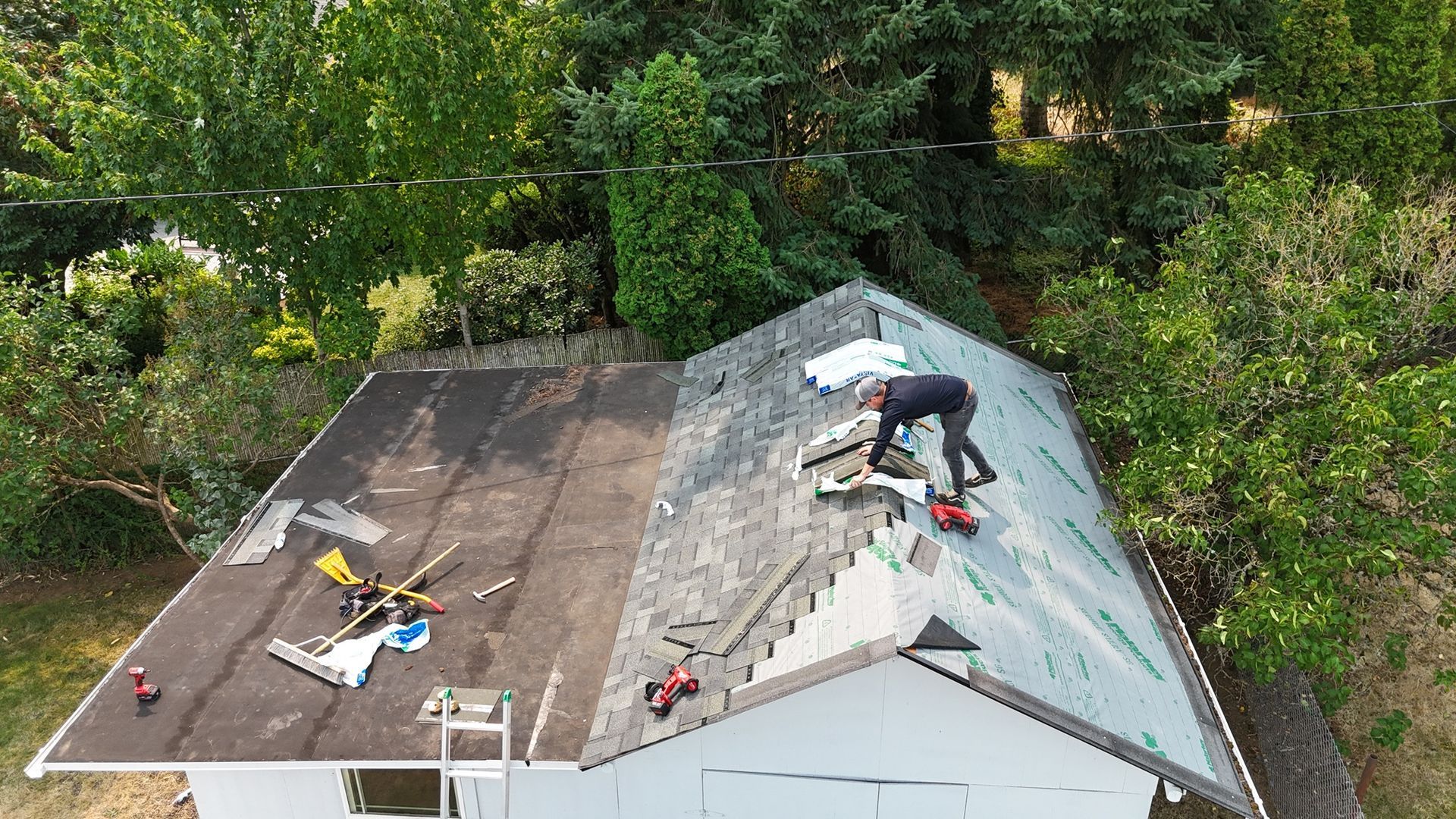
Three regional factors accelerate roof wear in the Vancouver and Portland metro more than anywhere else in the country.
Sustained Moisture and Organic Growth
The Vancouver and Portland metro areas receive significant annual rainfall. That's not exceptional by global standards, but it's steady. It's not the volume that damages roofs here; it's the duration. Months of sustained moisture keep organic material like moss and lichen alive on north-facing slopes and in areas with heavy tree canopy. Once moss takes hold, it works beneath shingles and lifts the edges, creating gaps where water can migrate under the surface.
Gorge Wind Events
The Columbia River Gorge funnels east-west wind that can push sustained gusts above 60 mph through the eastern Vancouver suburbs and into Gresham. Standard shingle products rated to 60 or 90 mph wind resistance can fail at those thresholds. That's one reason RedBird Roofing installs Malarkey shingles rated to 130 to 140 mph wind resistance through the Emerald Pro certification program—not because every storm hits that number, but because the installation method required to reach that rating eliminates the vulnerabilities that fail first in high-wind conditions.
Inadequate Attic Ventilation
When heat and moisture can't escape the attic, shingles degrade from below while weather works on them from above. It's a compression of lifespan from both directions.
How To Know When Your Roof Is Nearing the End
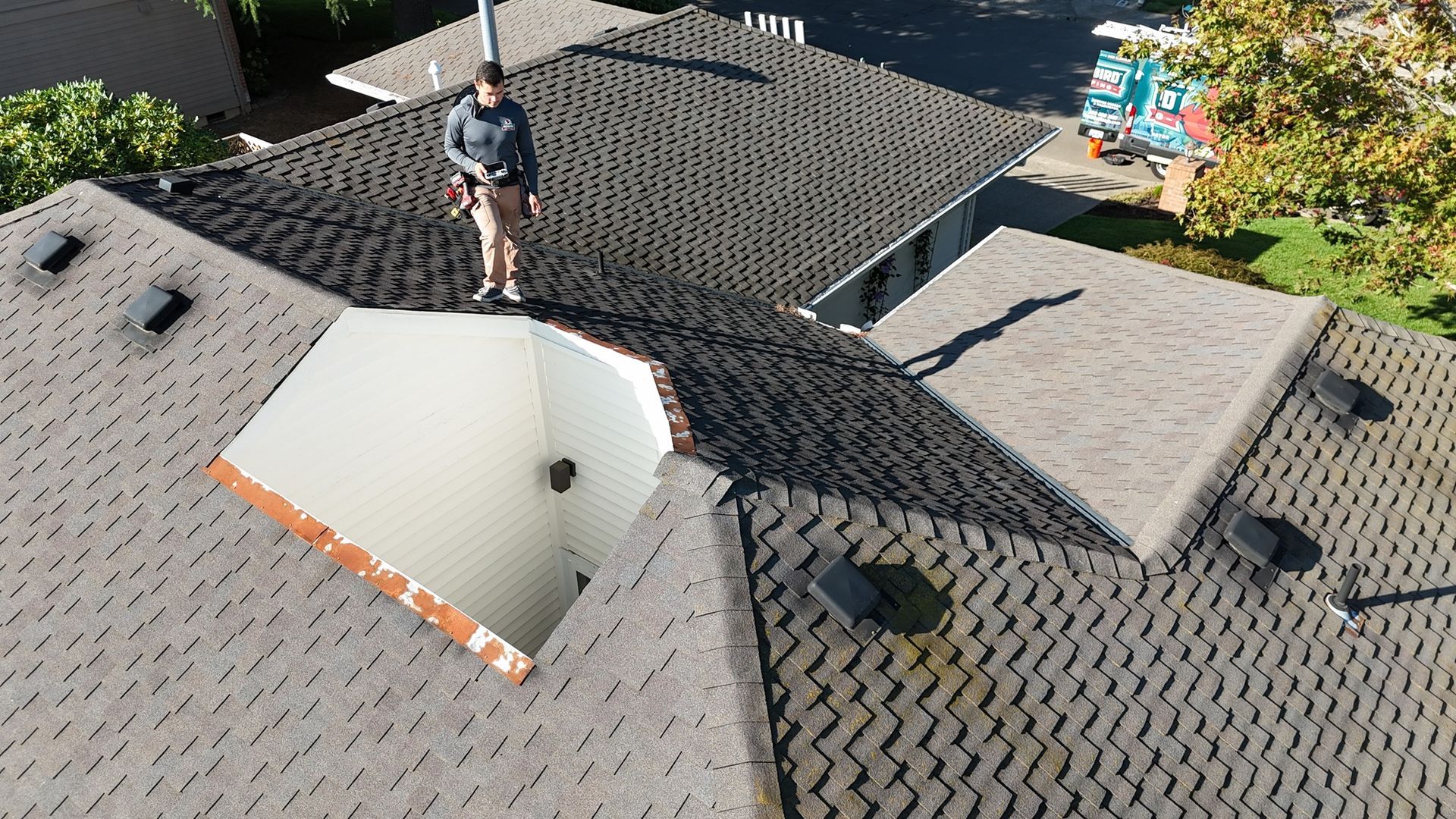
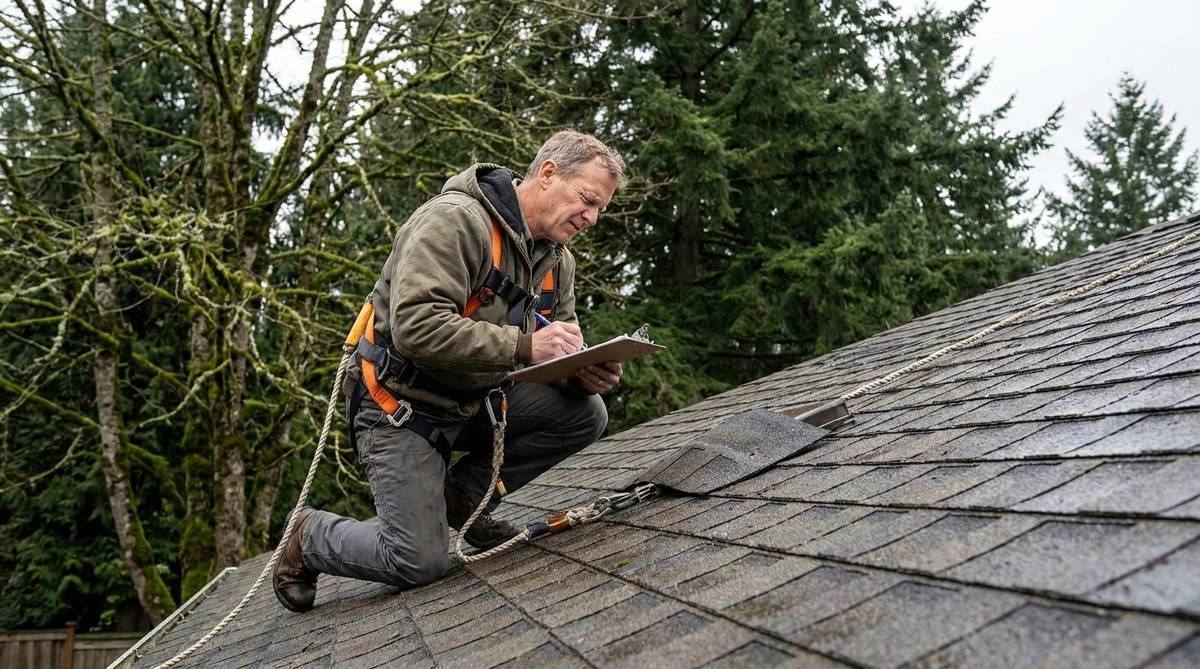
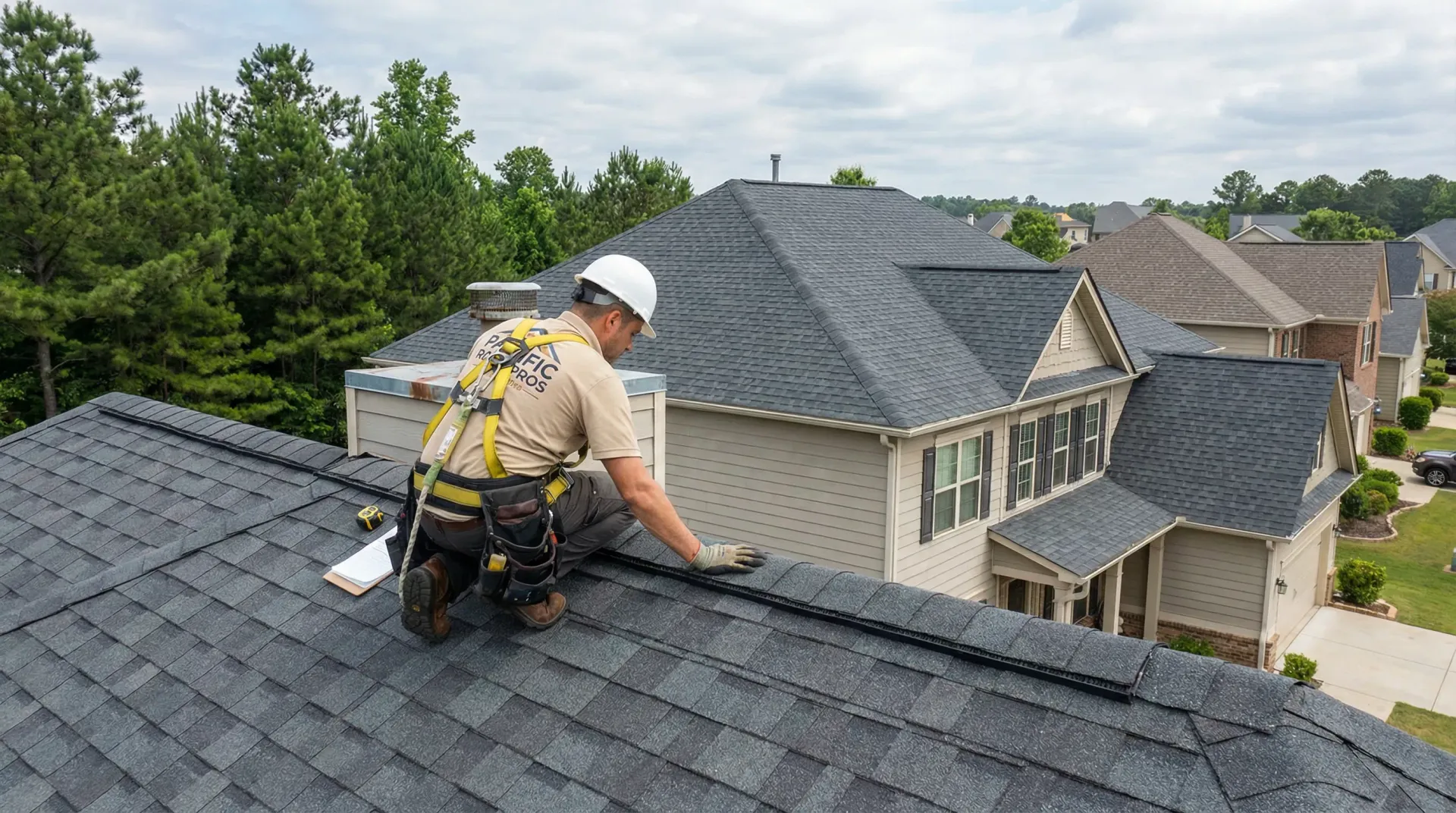
A professional roof inspection provides an actual assessment instead of a guess. Inspectors look for granule loss in gutters and downspouts (a sign the shingle surface is wearing thin), cracked or curling shingle edges, lifted flashings around chimneys and skylights, and soft spots in the decking that indicate moisture penetration.
Granule loss is the most telling early warning. Asphalt shingles rely on mineral granules to block UV exposure and shed water. When those granules wear off from age, hail, or moss, the asphalt underneath oxidizes and becomes brittle. By the time bare patches appear on the shingle face, the roof is in its final phase. This pattern shows up consistently on roofs over 20 years old that skipped regular inspections, a trend we see repeatedly across Clark County and Multnomah County.
Knowing when to repair versus replace is worth understanding before you get a quote. Our breakdown of roof repair vs. replacement explains how to navigate that decision based on age, the scope of the damage, and remaining warranty coverage.
Frequently Asked Questions
Does the PNW climate shorten roof lifespan compared to drier regions?
Yes, consistent moisture and biological growth like moss and algae accelerate shingle wear compared to arid climates. Vancouver and Portland homeowners can offset this with periodic moss treatments, proper attic ventilation, and inspection cycles every three to five years. Roofs that receive proactive maintenance in wet climates regularly reach their rated lifespan without issue.
Is a transferable warranty worth factoring into my material choice?
Yes, and it's a financially concrete reason to care. A one-time transferable warranty reduces buyer uncertainty regarding the roof's remaining life when you sell. RedBird Roofing installs Malarkey systems with limited lifetime manufacturer warranties that transfer once to a subsequent owner, paired with a 25-year labor warranty. That's a documented asset, not a sales pitch.
How much does installation quality actually affect how long a roof lasts?
More than most homeowners expect. Improper nail placement, inadequate underlayment overlap, and poor flashing details around penetrations are common shortcuts that cause premature failure, often within the first 10 years. A manufacturer-certified contractor follows installation protocols that unlock both the full warranty and the full lifespan the material is rated for.
Make an Informed Decision Before the Roof Makes It for You
Material choice, installation quality, and local climate conditions all shape how long your roof lasts and what it costs you over time. A roof that fails at 15 years instead of 30 means an unplanned replacement. One installed to the right spec, with documented warranty coverage, is a financial asset that holds value whether you stay or sell.
If your roof is aging or you're not sure where it stands, schedule a free estimate with RedBird Roofing. We serve homeowners across Vancouver, WA and Portland, OR with honest assessments, no-pressure quotes, and 24/7 live answering. You can also explore our full roofing services in Vancouver and Portland to see everything we install and repair.
Contact Us Today!
We will get back to you as soon as possible.
Please try again later.