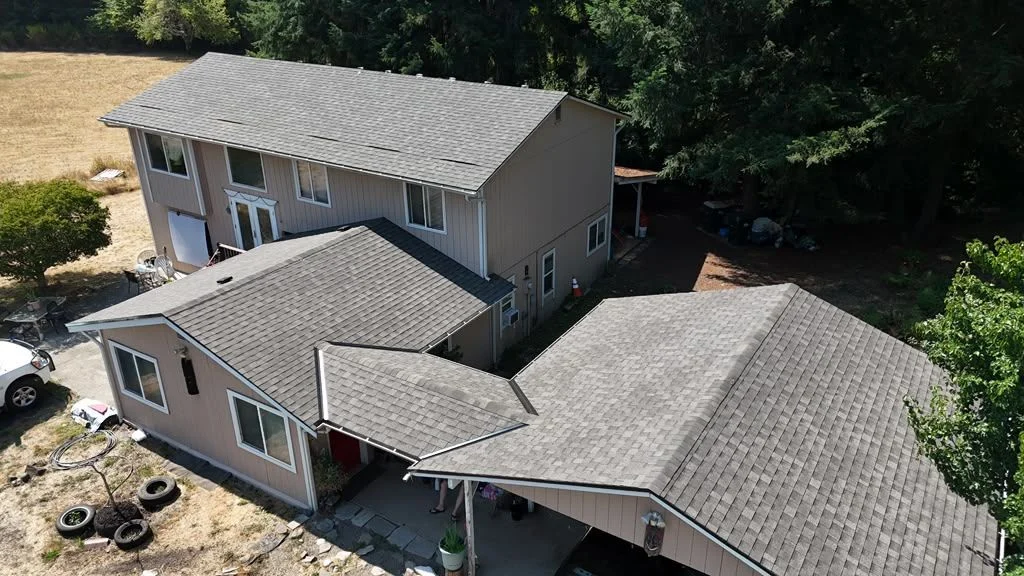
The primary types of roof tiles available for residential properties include traditional clay roof tiles, durable concrete roof tiles, and modern lightweight composite roof tiles. Choosing the best option for your home depends on balancing structural weight limits, long-term material cost, and how well the tile profiles shed heavy Pacific Northwest rain.
RedBird Roofing's tile roofing services includes evaluating these material options based on your home's framing and slope, ensuring your final selection works as a complete, weather-resistant assembly. In this blog post, we compare traditional clay, concrete, and composite tile profiles by their durability, maintenance requirements, and overall structural fit.
Clay vs. Concrete vs. Composite Roof Tiles

The tile you see from the street is only one element of a high-performance system. The underlying framing, underlayment, flashings, and ventilation decide how long tle roof lasts and whether the system will reliably protect your home over the decades. Here's how the three main types of roof tiles perform under local conditions:
Clay Roof Tiles
Traditional clay tile offers an iconic architectural aesthetic with deep profiles and rich, fire-baked colors that never fade. However, it's the heaviest and most expensive option on the market, often requiring a structural engineering review to ensure your roof framing can support the load. This material is highly fragile under foot traffic, but its natural durability allows it to last up to a century when properly maintained.
Choose Clay When:
- You're restoring or building a Mediterranean, Spanish Colonial, or Mission-style home where historic architectural authenticity is non-negotiable.
- You want a permanent, 100-year roofing solution and possess the budget for both premium material costs and required structural framing upgrades.
- Your home is located in an area with minimal overhanging tree canopies, reducing the need for regular roof walking and debris removal that could crack the fragile tiles.
Concrete Roof Tiles
Concrete tile is a highly durable and more affordable alternative to clay while closely mimicking the look of barrel tile, slate, or wood shakes. Like clay, concrete systems are exceptionally heavy and require robust structural framing to handle the dead load during intense winter rainstorms. We frequently inspect older concrete installations on properties in Camas , checking for heavy moss accumulation and cracked transitions where debris routinely traps moisture.
Choose Concrete When:
- You want the premium, upscale look of masonry or slate but want to keep material expenses closer to a mid-range budget.
- Your home already features reinforced structural framing designed to support heavy dead loads, or you are willing to invest in minor framing retrofits.
- You're prepared to undertake a routine roof maintenance schedule to manage moss, algae, and debris accumulation, which tends to grip the porous surface of concrete more easily than clay or composite.
Composite Roof Tiles
Composite tile uses engineered synthetic materials to accurately replicate the appearance of slate, clay, or cedar shakes at a fraction of the weight. This lightweight profile makes it an excellent choice for standard residential frames that cannot support the massive tonnage of real masonry systems. While composite products are highly impact-resistant and easier to install, they lack the absolute historic authenticity and distinct shadow lines of genuine clay or concrete.
Choose Composite When:
- You want the high-end aesthetic of slate or tile but your home features a standard asphalt-shingle frame that cannot support heavy masonry weight without expensive structural reinforcement.
- Your property is surrounded by heavy tree cover, making impact resistance against falling limbs and easy, low-maintenance power-washing a high priority.
- You want a faster, less labor-intensive installation that lowers overall contractor labor costs while still delivering a 50-year system lifespan.
Beyond the Tile: The Complete Roofing Assembly

Choosing your tile material is only half the battle; how that material interacts with the components beneath it determines its actual lifespan. When calculating your total investment, remember that the overall cost of a tile roof includes more than just the visible tiles—its part of a complex waterproofing network. In the wet Pacific Northwest climate, a tile roof's true weatherproofing power relies on these critical system elements:
- High-Performance Underlayment: While clay and concrete can last a century, the asphalt or synthetic underlayment beneath them typically needs replacement every 20 to 30 years.
- Heavy-Duty Flashing and Valleys: Metal transitions around chimneys, walls, and valleys handle concentrated water runoff. If these rust or get blocked by pine needles and moss, water will bypass the tiles entirely.
- Proper Ventilation and Battens: Adequate airflow in the attic prevents moisture from trapping heat under the tiles, which protects the roof deck from premature dry rot.
Because replacing hidden underlayment requires carefully removing and reinstalling rows of perfectly good tile, RedBird Roofing evaluates these underlying components during every roof inspection to prevent costly, repetitive spot repairs.
Frequently Asked Questions
Which type of roof tile is heaviest for an older Portland home?
Clay and concrete roof tiles are usually much heavier than asphalt shingles or many composite profiles. Older Portland homes may need structural reviews before either material makes sense. RedBird Roofing checks framing, deck condition, and slope before treating tile as a safe option.
Do concrete roof tiles handle Vancouver rain better than clay tiles?
Concrete and clay roof tiles can both handle Vancouver rain when the roof system is built correctly. The underlayment, valleys, flashing, and drainage paths matter most. Poor water management can make either material leak despite a durable tile surface.
Are composite roof tiles a good substitute for real tile?
Composite roof tiles can be a good substitute when weight, budget, or installation limits rule out clay or concrete. They are not identical to real tile in look or feel. Homeowners should compare warranty terms, ratings, and samples before choosing.
Choose the Right System With RedBird Roofing

The best tile choice is never based on appearance alone. It must be a profile your home's existing framing can safely support, and one that seamlessly sheds water through consecutive months of heavy winter precipitation. Balancing structural safety, local weather resistance, and material longevity ensures your investment permanently protects your property.
If you're trying to decide between traditional clay, concrete, or lightweight composite tiles, you don't have to guess at what fits your property. RedBird Roofing provides honest, expert structural evaluations across the Portland-Vancouver metro area, ensuring you choose a roof that keeps your home dry and sound.
Contact RedBird Roofing today at (360) 605-3127 to schedule your comprehensive on-site tile roof consultation.