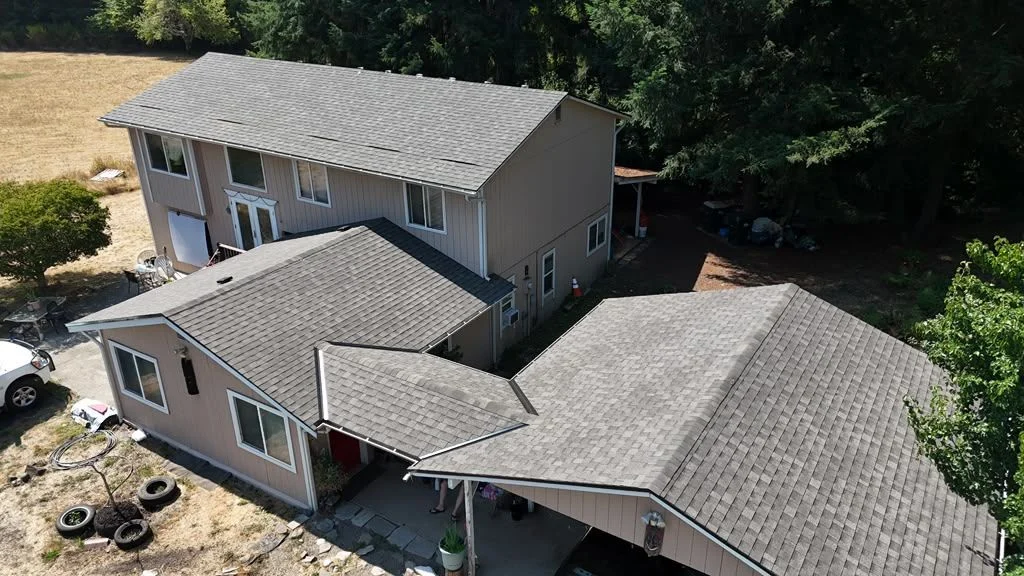
A high-quality tile roof typically lasts between 50 and 100 years, but the protective underlayment beneath it generally fails and requires replacement after 20 to 30 years. While concrete and clay tile pieces can physically endure for up to a century, the actual lifespan of your roof's waterproofing system depends entirely on the condition of the underlayment, local tree debris, and routine maintenance. As part of our comprehensive tile roofing services, RedBird Roofing evaluates the longevity of tile as a complete, multi-layered assembly, rather than just judging a roof by its appearance on the surface.
A homeowner may see tiles that look intact from the driveway and assume the entire system is secure. However, we routinely inspect older roofs where the visible tile field looks perfectly strong, but deteriorated underlayment, cracked metal flashings, or blocked valleys are already allowing water to penetrate the home. Read on to learn what shortens the lifespan of tile roof, when localized repairs can safely extend its service life, and when a complete system replacement becomes the smarter choice.
Tile Lifespan Starts With the System Below the Tile

A tile roofing system is more than the individual pieces of tile. Underlayment, battens, flashings, fasteners, and ventilation all play a role in how long a roof lasts.
The parts that age first include:
- Underlayment exposed to heat cycles under the tile
- Valley metal that handles concentrated runoff
- Pipe flashings and wall flashings
- Fasteners or battens on older systems
- Broken tiles from foot traffic or falling branches
What Shortens the Lifespan of Tile Roof in Portland and Vancouver?

We frequently see these three distinct issues degrade local tile systems, whether on a heavily shaded home in Camas, WA or an older property in Beaverton, OR:
Moss and Organic Debris Buildup
Moss actively lifts tile edges, compromising the roof's wind resistance, and holds moisture directly against the surface. RedBird Roofing treats this with gentle debris removal rather than aggressive pressure washing because pressure washing erodes the protective surface and forces water upward beneath the tiles.
Foot Traffic and Impact Damage
Rigid concrete and clay tiles are highly brittle and break easily under structural weight. Trade workers (such as satellite installers or gutter crews) who walk on the wrong parts of the tiles often cause small, hairline cracks that go unnoticed until a winter leak appears.
Premature Flashing Wear
Sheet metal valleys, chimney saddles, and sidewall flashings rarely match the 50-plus-year life expectancy of the tile field itself. When these metal transitions rust through or pull away, they allow heavy PNW rain to bypass the tiles completely and soak the underlying roof deck.
Tile Repair Vs. Roof Replacement: When Each Makes Sense

When it comes to tile, deciding on roof repair vs replacement depends on one critical factor: the condition of the hidden underlayment beneath the tiles.
- When to Repair: Localized repairs are practical if the leakage or damage is confined to a single area (like a few cracked tiles from a fallen branch or a single rusted pipe flashing) provided the surrounding underlayment remains pliable and waterproof.
- When to Replace: Complete replacement is required if the underlayment has become brittle, dry-rotted, or paper-thin, which usually shows up as widespread staining in the attic, soft plywood decking, or leaks across multiple roof planes.
The physical reality of tile is that a technician must carefully remove rows of perfectly good tiles just to patch a small section of failed roofing underlayment beneath them. If the underlayment is failing across large sections, repeated spot repairs becomes a costly, temporary fix. In these cases, stripping the roof to install a modern, long-lasting synthetic underlayment system is the only way to permanently protect your home.
Frequently Asked Questions
Can tile last longer than the underlayment below it?
Tile can last longer than the underlayment below it. Clay and concrete pieces may remain usable while the waterproof layer underneath ages out. That's why RedBird Roofing checks attic stains, flashing, valleys, and underlayment condition instead of judging the condition of a roof solely by its visible surface.
How often should a tile roof be inspected in rainy areas?
A tile roof in a rainy area should usually be inspected at least once a year. Extra checks make sense after major wind, tree debris, or visible tile movement. Regular inspections catch cracked pieces and flashing issues before water reaches the roof deck.
Do broken roof tiles always mean the whole roof is failing?
Broken roof tiles do not always mean the whole roof is failing. A few cracked tiles may be repairable when the underlayment and flashing remain sound. Widespread cracks, leaks, and soft decking point toward a larger problem that needs deeper evaluation.
Maximize the Lifespan of Your Tile Roof

A professionally installed tile roof is one of the most durable, long-lasting investments you can make for your home, but it isn't entirely maintenance-free in our damp, moss-prone climate. Protecting your home's structural integrity over the decades requires keeping the tiles clear of heavy debris, ensuring proper ventilation, and addressing underlayment issues before they lead to active rot.
RedBird Roofing provides honest, professional guidance based on decades of combined local expertise—giving you the exact recommendations you need to make decisions with absolute confidence.
Contact us at (360) 605-3127 for a free, on-site tile roof consultation.