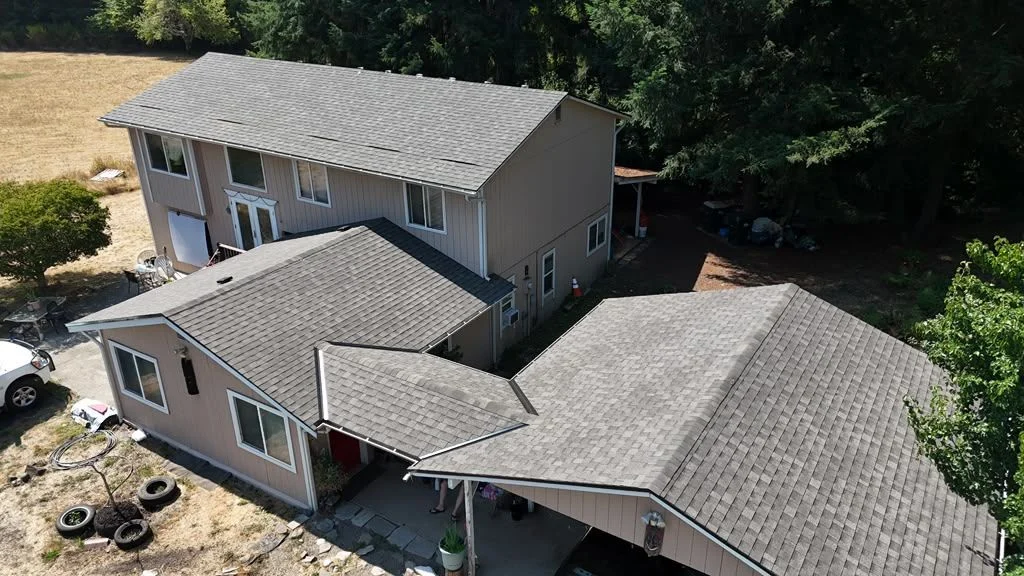
Maintaining a tile roof in Portland and Vancouver means keeping drainage paths open, limiting moss pressure, checking flashings, and protecting the underlayment below the tile. RedBird Roofing offers maintenance advice as part of its tile roofing services. We understand that the visible tile is only one layer of a larger roof system.
A tile roof can look durable from the street and still hide problems. Broken pieces, clogged valleys, and worn flashing can let water reach the deck before interior stains appear. This article covers safe inspections, moss and drainage control, and the underlayment and flashing details that protect tile roofs.
What Tile Roof Maintenance Should Include

A solid roof maintenance checklist starts with safe inspection, which means assessing what you can see from the ground and leaving the actual roof climbing to experienced professionals.
Check for Cracked, Slipped, or Missing Tiles
Physical damage to individual tiles compromises the entire shedding layer of your roof. Even a hairline crack can allow water to slowly seep into the lower structural layers during heavy rainstorms. Replacing these pieces quickly prevents isolated issues from turning into widespread wood rot.
Clear Leaves and Needles from Valleys
Conifer needles and deciduous leaves easily gather in the low channels of your roof layout. When these materials accumulate, they form organic dams that trap standing water and force it sideways underneath the tile line. Keeping these channels completely clear ensures that heavy downpours drain away from the house without restriction.
Look at the Chimney, Wall, and Pipe Flashings
The metal interfaces around roof penetrations are common focal points for home water intrusion. Over time, shifting tiles or deteriorating sealants can leave these critical gaps exposed to environmental wear. Inspecting these transitions protects your ceilings from the hidden leaks that typically start at joints and walls.
Check Gutters and Downspouts for Tile Grit or Debris
Runoff systems can become choked with heavy sediment or loose debris washing down from the roof planes. Blocked gutters hold excessive weight and cause water to back up directly beneath the lower eave tiles. Regular cleaning protects the perimeter of your home from spillover damage and foundation erosion.
Review Attic Stains After Heavy Rain
Monitoring the underside of your roof deck is the most reliable way to catch a leak early. Stains, damp insulation, or discolored rafters indicate that water has bypassed both the tile layer and the secondary barrier. Finding these spots right after a storm helps pinpoint the exact failure point before mold sets in.
Watch Shaded Areas for Recurring Moss Growth
Sections of the roof that remain damp and shielded from the sun create ideal environments for moss spores. Left unchecked, the root systems lift the edges of the tiles and disrupt the natural downward flow of water. Catching this growth early prevents the plants from establishing a stronghold on your roof.
You should have a professional handle these assessments, especially if you aren't used to working at heights or if your roof has a complicated layout with steep pitches. For most homeowners, a professional roof inspection after winter rains or heavy tree debris is the safest way to catch small tile movements before water ever reaches the roof deck.
Moss, Debris, and Drainage in PNW Weather

Pacific Northwest tile roofs often age around moisture patterns. Shade, fir needles, leaves, and moss can slow drainage across roof planes and valleys. Moss doesn't always mean the tile itself is failing. The real hazard is the moisture it traps against the surface and the way its expanding roots can lift tile edges. If you ever find yourself evaluating different structural upgrades for your home, it helps to remember that material longevity relies heavily on how well the system manages local weather stresses.
Because tile is fragile, RedBird Roofing avoids aggressive cleaning methods. High-pressure washing can easily crack pieces, strip the protective surface finish, or drive water backward into the tile laps.
Safe maintenance relies on:
- Gentle debris removal
- Keeping valleys and gutters open
- Avoiding foot traffic where possible
- Replacing broken tiles quickly
- Checking nearby tree branches and shade
If moss is already a major concern on your roof, our guide to roof moss removal explains why your choice of cleaning method matters so much on Pacific Northwest homes.
Underlayment and Flashing Need Attention Too

Tile is excellent at shedding water, but it isn't your home's only line of defense. The true water barrier is the underlayment, battens, valleys, and flashing details hidden beneath the tiles. Maintenance must pay special attention to these transition points, such as valleys that collect concentrated runoff, chimneys, sidewalls, and pipe penetrations. Keeping an eye on these vulnerable connection points ensures you're spending your budget where it will actually prevent internal leaks.
The primary constraint with maintenance is access. Repairing worn roof flashing or deteriorated underlayment requires carefully removing the surrounding tiles to reach the failed layer underneath. Because tiles can last for over half a century while standard underlayment typically wears out in 20 to 30 years, you'll likely need to address these hidden layers long before you need new tiles.
Frequently Asked Questions
How often should tile roof valleys be cleared in tree-heavy neighborhoods?
Tile roof valleys in tree-heavy neighborhoods may need clearing more than once a year. Fir needles, leaves, and moss can collect quickly after fall storms. RedBird Roofing checks valley flow because blocked drainage can push water under tile edges.
Can pressure washing damage clay or concrete roof tiles?
Pressure washing can damage clay or concrete roof tiles when the force cracks pieces or drives water uphill. It can also disturb surface finish. A tile roof should be cleaned with methods that protect the tile, flashing, and underlayment.
What maintenance signs mean a tile roof needs inspection soon?
A tile roof needs inspection soon when tiles slip, valleys hold debris, attic stains appear, or moss returns quickly after cleaning. Broken tiles after foot traffic or falling branches also need attention before rain reaches the underlayment.
Keep Your Tile Maintenance Practical and Safe
The most reliable tile roof maintenance plan is consistent, proactive, and gentle. By focusing on smooth water drainage and avoiding harsh cleaning methods, you protect your home's structural integrity without accidentally damaging the fragile tiles.
If you notice moss buildup, slipped tiles, or clogged valleys on your roof, let a professional handle the height and safety risks. Contact RedBird Roofing today at (360) 605-3127 to schedule your comprehensive tile roof inspection.