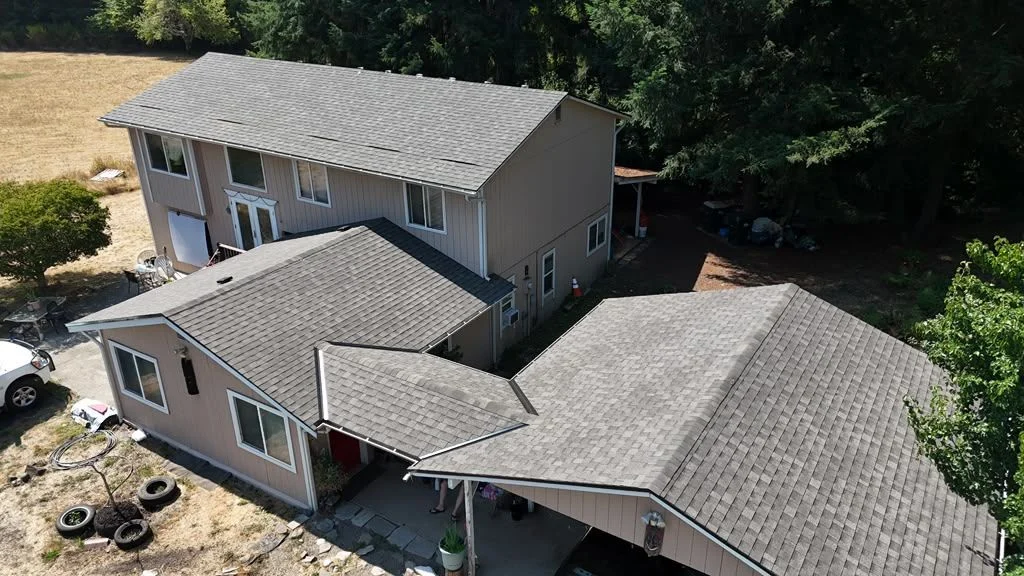
Roof storm damage in the Pacific Northwest typically appears as missing shingles, cracked flashing, or granule loss after wind and rain events. Severity ranges from minor cosmetic wear to structural failure, depending on wind speed and debris impact. RedBird Roofing handles roof repair across Portland and Vancouver with same-day availability for urgent situations.
A Clark County homeowner discovered missing shingles on two roof faces after a November windstorm. The original installer had skipped starter strips, which left the bottom row vulnerable to uplift. Three types of damage, three steps in documentation, and one filing timeline keep the repair on track and the insurer on your side.
How Wind, Rain, and Debris Damage PNW Roofs

Pacific Northwest storms bring three kinds of roof damage, each leaving different evidence in their trail.
Wind Damage
Wind can cause shingles to lift by catching their unsealed edges. Gusts through the Columbia Gorge regularly exceed 60 mph during fall and winter storms, enough to peel back 3-tab shingles rated for only 60-70 mph. Architectural shingles rated for 110-130 mph hold up better, but even they can fail at penetrations and edges if the flashing is loose. Look for shingles that are curled, lifted, or missing entirely.
Rain and Moisture Damage
Portland averages roughly 43 inches of rain per year, with Vancouver WA seeing similar downpours. Sustained moisture exploits every weak point: exposed nail heads, worn sealant around flashing, and cracked pipe boots. Common PNW roofing problems are most obvious after a major rain event. They show up as water stains on ceilings, damp attic insulation, or mold near roof penetrations.
Debris Impact
Fallen branches and airborne material cause the most visible damage. Even small branches can crack shingles or dislodge flashing on impact. Sudden winter storms can also bring unexpected hail damage, which leaves pockmarks, dents, and bruises on shingles that compromise their waterproofing. After any storm, check for dented or punctured areas, especially around valleys and lower roof slopes where debris collects.
How to Document Storm Damage for an Insurance Claim

Filing a successful insurance claim starts with documentation you can gather yourself before a contractor arrives.
Photograph Everything
Walk the perimeter of your home and photograph the roof from ground level, capturing every face. Include close-up shots of visible damage: missing shingles, dented gutters, cracked flashing. Photograph the interior too, including water stains, wet insulation, or daylight showing through the attic.
Record the Date and Conditions
Write down the storm date, approximate wind speed from local NWS records, and what you observed. Insurance adjusters look for a clear timeline connecting the weather event to the damage. Most Oregon and Washington homeowners' policies require filing within one year of the date of loss.
Get a Professional Inspection
A professional roof inspection in Oregon or Washington establishes an independent damage assessment that strengthens your claim. The inspector documents damage you cannot see from the ground, including cracked underlayment, nail pops, and compromised flashing seals.
When to Call a Roofer and What to Expect

Temporary protection comes first. If shingles are missing or a leak is active, place a tarp over the exposed area to prevent further water intrusion while you arrange a professional assessment.
RedBird Roofing offers same-day emergency response across Vancouver and Clark County as well as the Portland metro. Expect the contractor to walk the roof, document damage for the insurer, and provide a written repair estimate.
Minor repairs like replacing a few shingles or resealing flashing typically take one day. More extensive damage involving decking replacement or full re-roofing sections may require several days and a building permit, depending on scope and local code requirements.
Frequently Asked Questions
Should I tarp my roof before calling a roofer?
Tarping a damaged roof before professional help arrives keeps water from pouring into your home and shows your insurance company that you’re doing your best to keep things from getting worse. Most insurance policies require you to take quick action to prevent additional damage after a storm. That said, if you don't have a safe way to secure the tarp, or if the damage is on a steep slope, it’s always better to wait for a pro than to risk a dangerous fall.
How long do I have to file a storm damage claim in Oregon or Washington?
Most homeowners' policies in Oregon and Washington allow up to one year from the date of loss to file a storm damage claim. The longer you wait, the harder it becomes to prove the damage was storm-related rather than the result of normal wear. RedBird Roofing recommends scheduling an inspection within two weeks of any significant weather event.
Can I see storm damage from the ground?
Some types of roof storm damage are visible from the ground, including missing shingles, sagging gutters, and dented flashing. However, the most costly damage often hides beneath the surface: cracked underlayment, compromised decking, and lifted nail heads. A rooftop inspection catches what a ground-level walkaround misses.
Act Fast to Prevent Further Damage

A PNW storm can take a roof from solid to leaking overnight. The difference between a manageable repair and a full replacement often comes down to how fast the damage gets identified, documented, and addressed.
Contact RedBird Roofing at (360) 605-3127 or schedule a free estimate for a same-day storm damage assessment. RedBird is licensed in Washington and Oregon, and available for emergency response across the Portland-Vancouver metro.