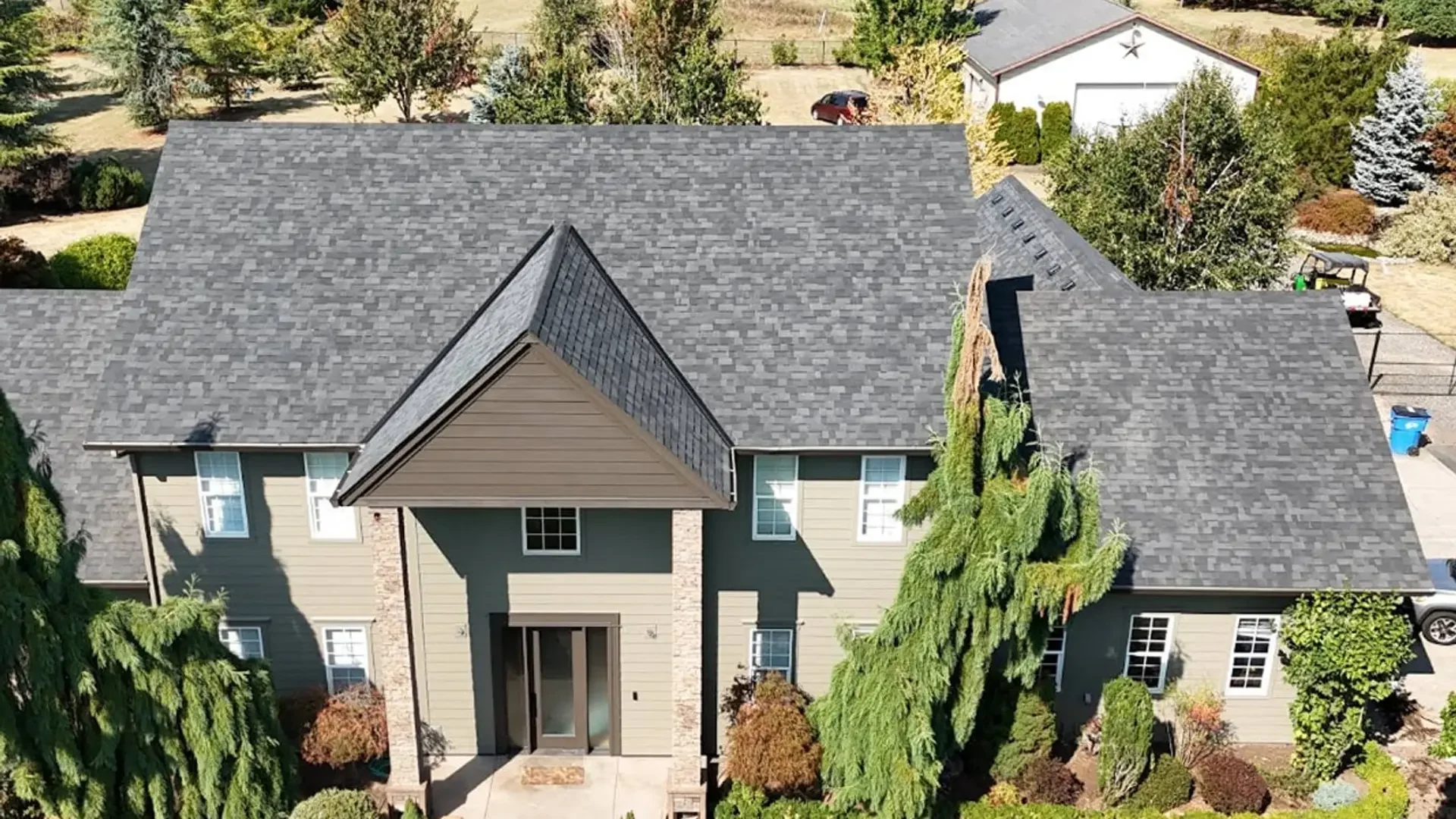
If you are buying a home in Vancouver, Washington, or Portland, Oregon, the roof is one of the most important things to understand before you close. A standard home inspection gives you a snapshot of the roof's visible condition, but it has real limits. Knowing what gets checked, what does not, and what to do with the findings can help you make a more informed purchase decision and avoid surprises after move-in.
What a Home Inspector Actually Reviews on the Roof

In Washington, a general home inspection is expected to cover specific parts of the roof system, not just a glance at the shingles. According to Washington State's home inspection standards, the roof-related scope typically includes:
- Roof coverings and their general condition
- Gutters and downspouts
- Visible flashing, vents, and skylights
- Other roof penetrations
- Exterior-visible portions of the chimney
- Ventilation and whether multiple roofing layers are visible
Where it is readily and safely accessible, the inspection can also extend to visible roof framing and decking from inside the attic. That interior view matters because it can reveal moisture staining, sagging, or venting issues that are not visible from the ground or a ladder.
What a General Inspection Will Not Tell You

It helps to understand the limits of a standard inspection before you rely on it for a purchase decision.
Washington inspectors may use alternative methods to inspect a roof rather than physically walking its surface. They are not required to walk a roof when doing so could damage the roofing materials or be unsafe. If the inspector does not traverse the roof, the alternative inspection method must be reported.
Ask what method was used and what, if anything, could not be fully observed. Snow, ice, debris, or other obstructions may also limit visibility.
It is also worth knowing that a general inspection is not a guarantee of remaining roof life.
Washington inspectors are not required to predict how many years a roof covering has left, and Oregon's published home inspector standards similarly do not require life-expectancy forecasts or repair cost estimates.
Instead, Oregon's inspection reporting requirements call for recommendations such as monitoring, further evaluation, repair, or replacement when appropriate.
Treat those recommendations as directions for further investigation, not final guarantees about the roof's condition or remaining lifespan.
A Local Condition Worth Asking About: Moss
In the Pacific Northwest's moist, shaded climate, moss growth on roofs is common.
According to Oregon State University, moss accumulation can interfere with drainage and contribute to shingle damage over time.
If an inspection notes moss, it is worth asking for a closer look rather than assuming it is purely cosmetic or that it automatically means the roof needs to be replaced.
Turning Inspection Findings Into a Purchase Decision

Once you have the inspection report in hand, a few steps can help you move from findings to a confident decision:
- Schedule your independent inspection as early as possible so there is time to look into any roofing questions before your inspection deadline.
- Review the exterior roofing, drainage, and any accessible attic findings together rather than in isolation.
- Ask specifically what could not be inspected or observed, and why.
- For anything flagged as a concern, request a written scope of the recommended repair work from a roofing specialist before you make your final decision.
- Keep in mind that seller repairs, credits, or other contract remedies depend on your specific purchase agreement and circumstances, not on the inspection report alone.
It also helps to separate a few terms that are easy to conflate: the observed condition in the report, any estimate of remaining service life, formal certification, and a manufacturer or contractor warranty are not the same thing.
Confirm in writing what any follow-up quote or report actually covers. For more on evaluating roofing damage, see Redbird Roofing's guide to the warning signs that a roof may need replacement rather than a repair.
One more distinction worth knowing: an appraisal and a home inspection serve different purposes.
The Consumer Financial Protection Bureau notes that major roof repairs identified during a transaction can affect lender requirements before closing, so an appraisal moving forward or a loan progressing does not by itself confirm the roof is in satisfactory condition.
When to Bring in a Roofing Specialist
If your inspection flags roofing concerns, a follow-up from a roofing contractor can help you understand what you are actually looking at before you finalize your decision.
Redbird Roofing provides roof inspection, roof repair, and roof replacement services for homeowners across the Vancouver Metro and Portland Metro areas and is licensed in both Washington and Oregon.
If a buyer moves forward with roofing work after closing, Redbird Roofing assigns a project manager to each project to help coordinate the work, communicate any changes in scope, and make sure the finished work meets expectations.
You can also review our roof inspection services in Vancouver, WA for more detail on what a follow-up evaluation can look like.
Get a Second Look Before You Close
Buying a home in Vancouver or Portland is a big decision, and the roof is not something to guess about.
If your home inspection raised questions about the roof's condition, Redbird Roofing can take a closer look and help you understand your options.
Call (360) 605-3127 to talk with our team, serving homebuyers throughout the Vancouver Metro and Portland Metro area.