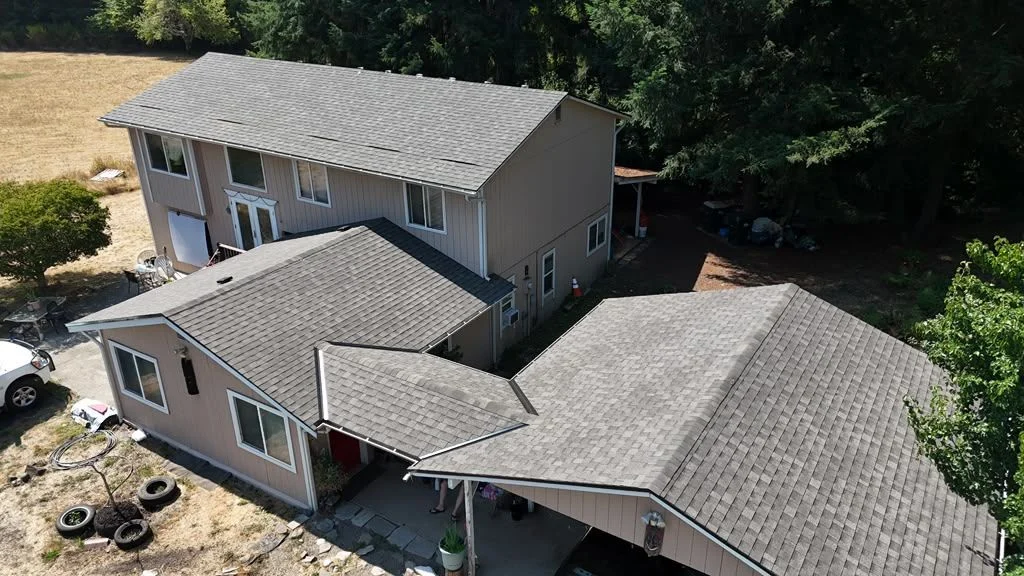
How to finance a new roof depends on your credit, home equity, and how quickly you need the work done. A typical roof replacement in the Portland-Vancouver metro runs $10,000 to $25,000, which puts it outside what most families can cover from savings alone. RedBird Roofing offers financing through SVC Financial and works with homeowners across Clark County and the Portland metro to find payment options that fit.
Delaying a failing roof because of cost almost always increases the final bill. Water damage to decking, insulation, and framing compounds quickly in a climate that averages over 40 inches of rain per year. The good news is that several financing paths exist, each with different approval requirements, interest rates, and repayment timelines. Here are five options worth comparing before your next quote.
1. Contractor Financing Programs

Many roofing companies partner with third-party lenders to offer financing directly at the point of sale. RedBird Roofing provides financing through SVC Financial, which offers fast approval and flexible terms for a range of credit situations. Contractor financing lets you bundle the cost into one monthly payment without shopping for a separate loan.
The biggest advantage is speed. You can get approved during the estimate appointment and start the project within days rather than weeks. Interest rates vary by credit profile, so compare the APR and total repayment cost against the other options on this list before signing.
2. Home Equity Loans and HELOCs

A home equity loan gives you a lump sum at a fixed interest rate, typically between 6.5% and 8% for borrowers with good credit, based on current market averages. A HELOC (home equity line of credit) works more like a credit card tied to your home's value, with variable rates that currently average 7% to 8%, though they can rise as the prime rate fluctuates. Both options use your home as collateral.
Advantages and Trade-Offs
Interest on home equity products may be tax-deductible when used for home improvements, which lowers the effective cost. The trade-off is that approval takes two to six weeks, and you're putting your home on the line. For homeowners with significant equity in the Portland-Vancouver market, this route often delivers the lowest total interest paid over the life of the loan.
3. Personal Loans
Unsecured personal loans range from $1,000 to $100,000 depending on your credit score and lender. They don't require home equity and can provide funding within one to five business days. Interest rates run higher than home equity products, often 8% to over 25%, depending on credit profile, because there's no collateral backing the loan. Borrowers with excellent credit may qualify for rates near 8%, while those with fair credit may pay 18% or more.
4. Homeowner's Insurance Claims
If storm damage, hail, or a fallen tree caused the roof to fail, your homeowner's insurance may cover part or all of the replacement cost minus your deductible. Document the damage with photos and get an official inspection report before filing. RedBird Roofing offers professional roof inspections with detailed documentation that supports the claims process for Vancouver and Portland homeowners.
5. Credit Cards and Cash Savings
Credit cards work for smaller roof repairs but carry interest rates of 18% to 25%. Paying cash avoids interest entirely and may give you leverage to negotiate. If you have six months or more before the roof needs replacement, setting aside a fixed amount each month can reduce or eliminate the amount you need to borrow.
Frequently Asked Questions
Can I get roof financing with a low credit score?
Several financing options exist for borrowers with credit scores below 650. Contractor financing programs like the one RedBird Roofing offers through SVC Financial accommodate different credit situations. Personal loans from online lenders also serve homeowners with lower credit scores, though at higher interest rates. Comparing at least two options gives you the leverage to find the best available terms.
Is a roof replacement tax-deductible?
A standard roof replacement on a primary residence isn't tax-deductible by itself. However, interest paid on a home equity loan or HELOC used for the project may qualify as a deduction under current IRS rules. Consult a tax professional to confirm eligibility based on your specific situation and filing status.
How long does financing approval take for a new roof?
Contractor financing and personal loans are often approved within the same day and funded within one to five business days. Home equity loans and HELOCs take longer, typically two to six weeks, because they require a home appraisal and more documentation. If your roof needs urgent attention, faster options let you start the project sooner.
Take Control of Your Roofing Investment

The best financing option depends on your timeline, credit situation, and how much equity you have in your home. Contractor financing and personal loans are typically processed faster. Home equity products deliver the lowest interest over time. Insurance covers storm-related damage. Knowing your options before requesting quotes puts you in a stronger position to negotiate.
Contact RedBird Roofing at (360) 605-3127 or schedule a free estimate to get a detailed quote and discuss financing options that fit your budget.