Emergency Roof Repair in the Pacific Northwest: What to Do When Your Roof Leaks During a Storm
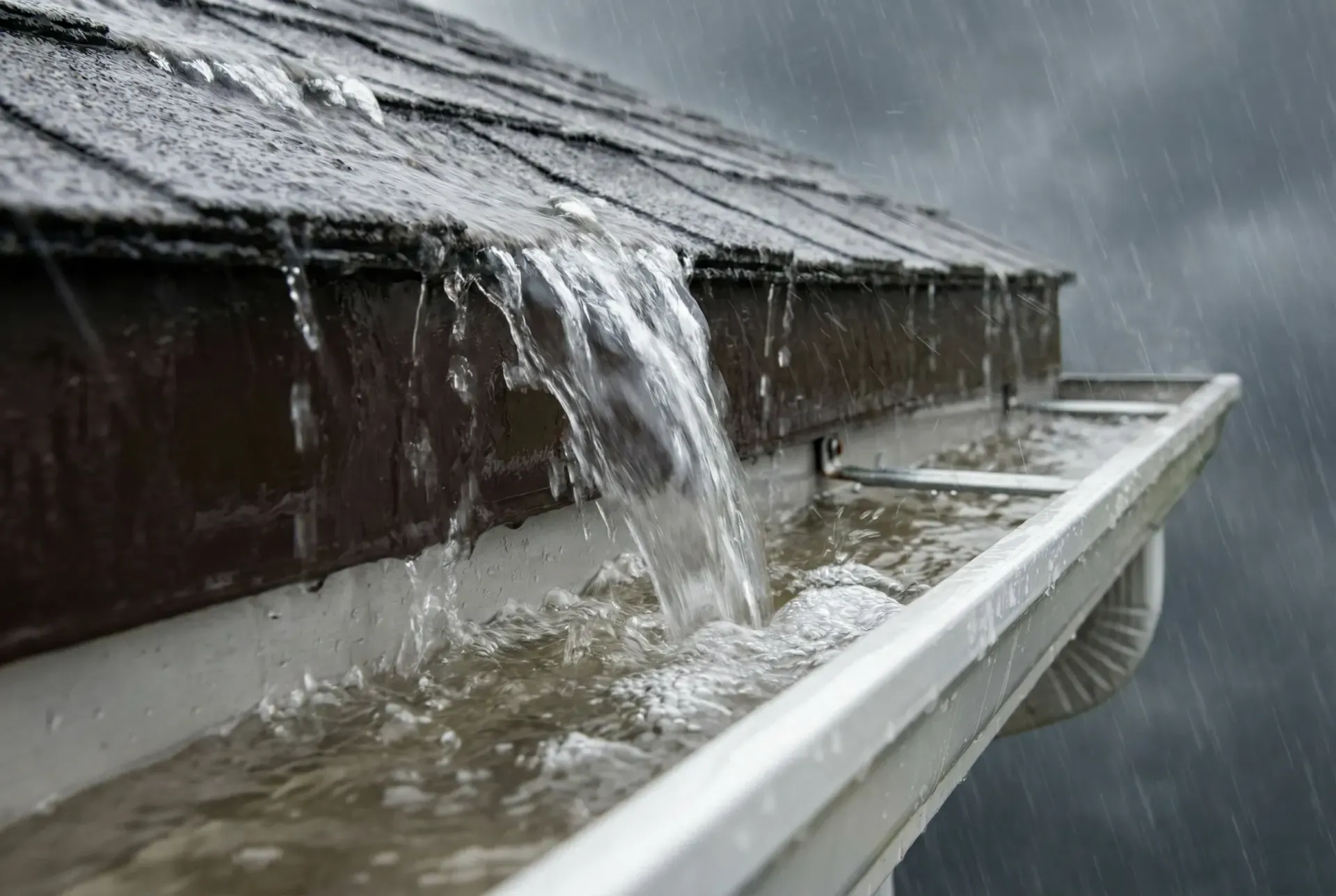
Emergency roof repair in the Pacific Northwest means stopping active water intrusion fast. Left unchecked, rain saturates insulation, soaks framing, and turns a manageable fix into a full deck replacement. RedBird Roofing serves Vancouver, WA and the Portland metro with 24/7 live answering and same-day availability for storm damage calls across the region.
Last November, a homeowner in Battle Ground called us at 1 a.m. during a Gorge windstorm. Water was dripping through the bedroom ceiling. By the time we arrived the next morning, the insulation above that room was saturated and starting to compress. The repair was manageable. If he'd waited one more day, the sheathing would have been the next thing to go. That's how fast a PNW storm leak moves, and it's why the first hour matters so much.
What To Do First When Your Roof Starts Leaking Mid-Storm
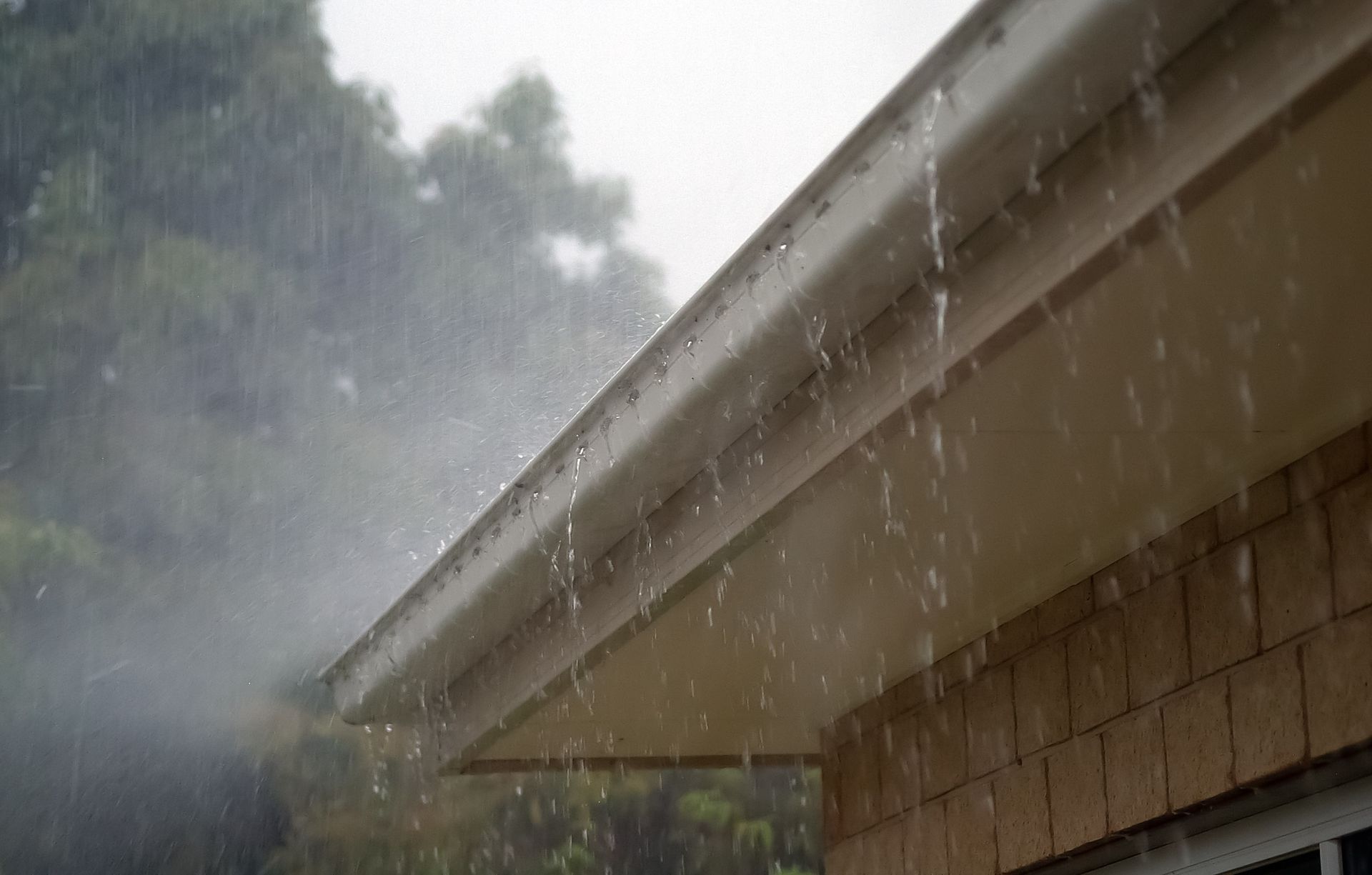
The moment you spot a leak, your priority is containment, not diagnosis. Place buckets or bins under active drips and lay towels or plastic sheeting across the floor. If water is pooling in a ceiling light fixture, turn off the circuit breaker for that room. Water and live electrical don't mix.
Move furniture, electronics, and valuables away from the affected area. Then look up. If you see a bulging or sagging section of ceiling, that's water accumulating above the drywall. Carefully puncture the lowest point with a screwdriver to release the water in a controlled stream into a bucket. Letting it drain prevents the ceiling from collapsing under the weight.
Call for help now, even if the weather makes on-site repair impossible tonight. RedBird Roofing's roof repair team answers 24/7 and can triage the situation over the phone, advise on interior containment, and dispatch a crew as soon as conditions allow. Getting on the schedule during an active storm event is the difference between a same-day arrival and a multi-day wait.
Temporary Fixes That Buy You Time (Without Making Things Worse)
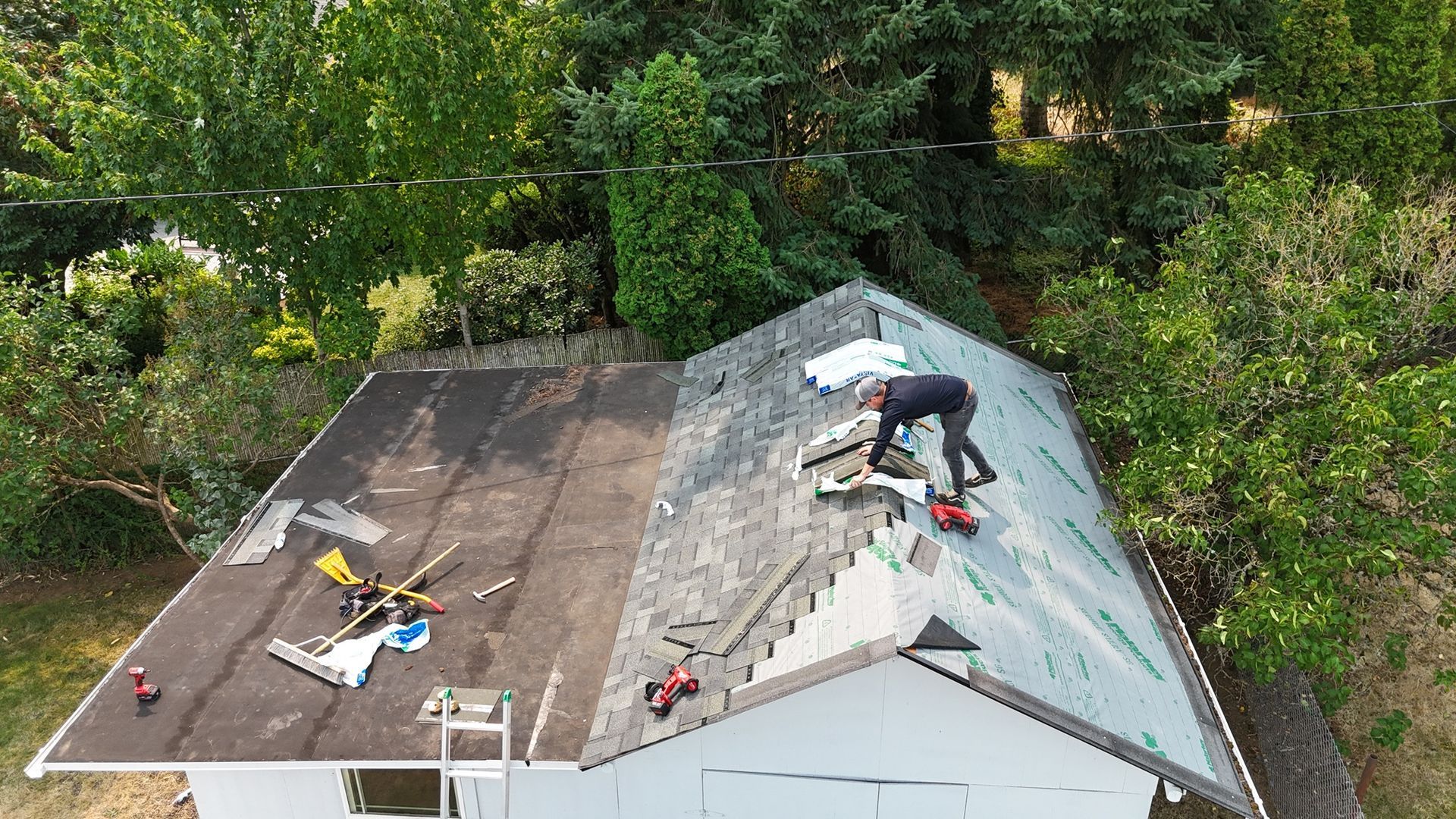
If the storm passes and you need to slow intrusion before a crew arrives, there are a few things a homeowner can reasonably attempt—and a few things that cause more damage than they prevent.
From the exterior (only if the roof is safely accessible and the storm has passed):
- Secure a roofing tarp over missing shingles or open flashing using weighted boards or sandbags
- Apply roofing caulk or sealant tape to small cracks or lifted flashing to slow water entry temporarily
- Do not use standard duct tape or plastic wrap directly on shingles—they trap moisture and can accelerate decay underneath
From the interior:
- Apply roofing cement from the attic to the underside of the deck at an active drip point to slow intrusion temporarily
- Do not use spray foam—it doesn't bond well to wet surfaces and can trap moisture inside the framing
The goal of any temporary fix is to slow the entry of water, not seal the roof permanently. A proper assessment from a professional roof inspection after the storm will identify the actual failure point. Water travels along rafters and decking before it drips, so the source is often several feet away from where it appears inside.
What the Damage Is Actually Doing Behind Your Walls
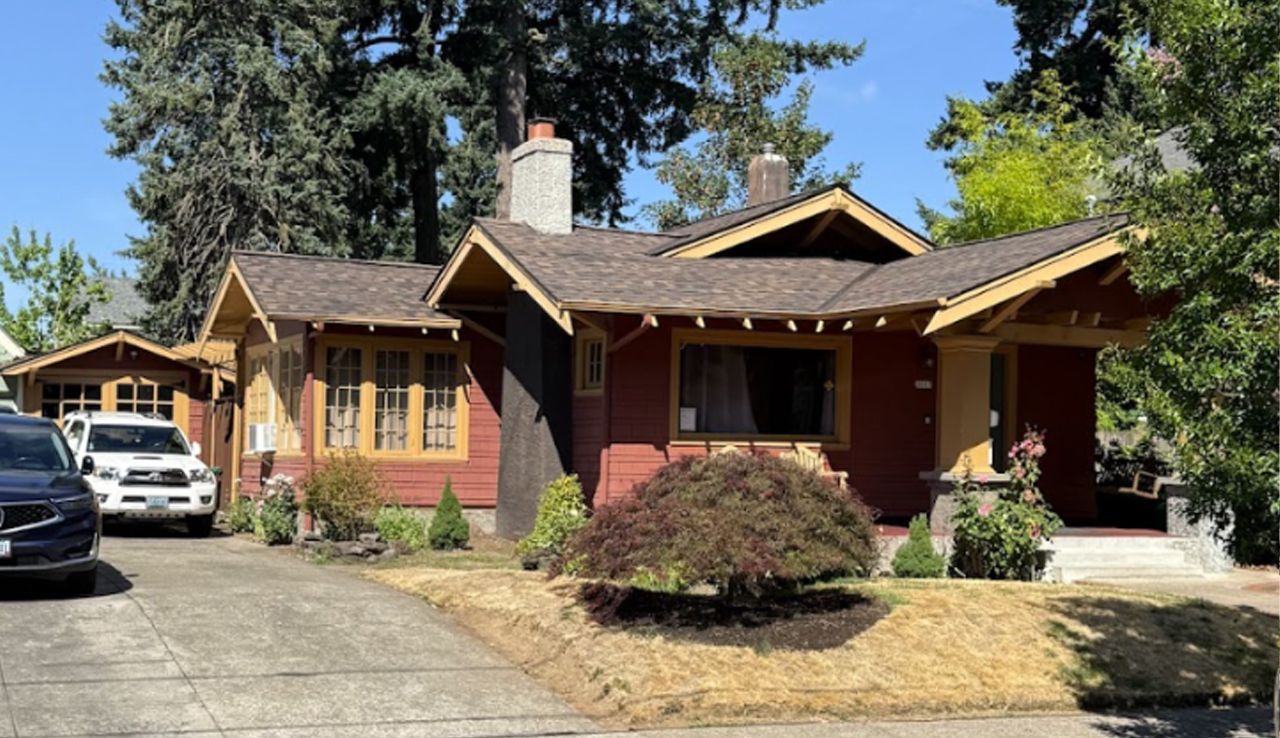
Water that enters a roofing system doesn't travel straight down. It follows rafters, runs along sheathing (the plywood deck beneath the shingles), and can travel 6 to 10 feet horizontally before finding a gap to drip through. This is why the leak inside a bedroom may originate from a failed flashing at the chimney or a cracked valley 8 feet away.
Beyond the immediate drip, moisture absorption into framing and insulation creates conditions for mold growth within 24 to 48 hours in a climate as humid as Portland and Vancouver. Wet fiberglass batt insulation loses most of its R-value (thermal resistance) and doesn't recover when it dries. It needs to be replaced. Wet OSB sheathing can delaminate if it stays saturated, meaning what started as a shingle repair can become a partial deck replacement if the water isn't addressed quickly.
Why PNW Roofs Get Hit Harder Than Most
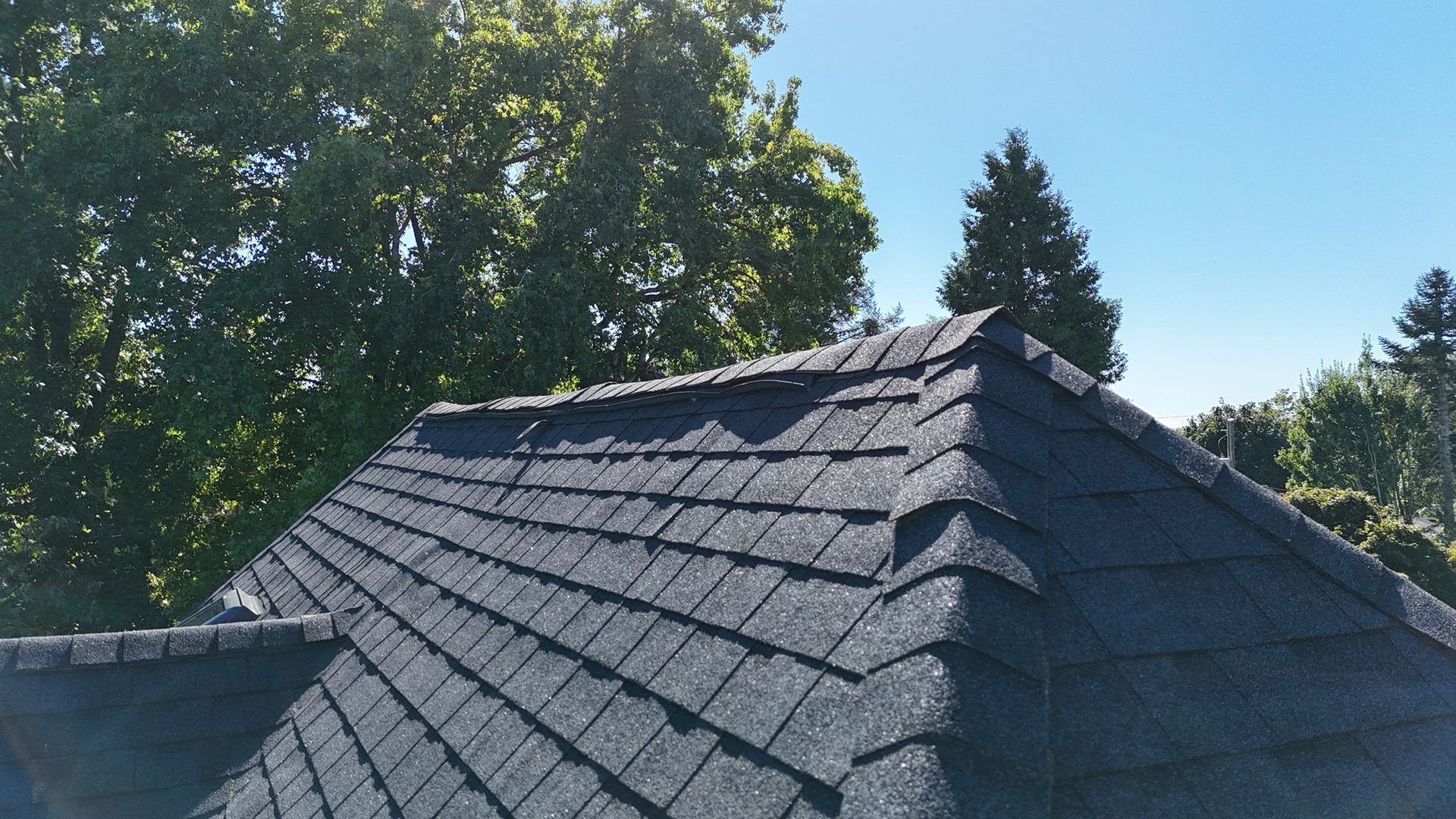
Portland and Vancouver sit in a geographic pocket that makes roofing conditions genuinely demanding. The Columbia River Gorge channels wind from the east, producing gusts that can exceed 60 mph during fall and winter storm events, enough to lift improperly fastened shingles or stress old flashing seals. Combined with the region's heavy annual rainfall, roofs here face more wet-dry-wet stress than in most of the country.
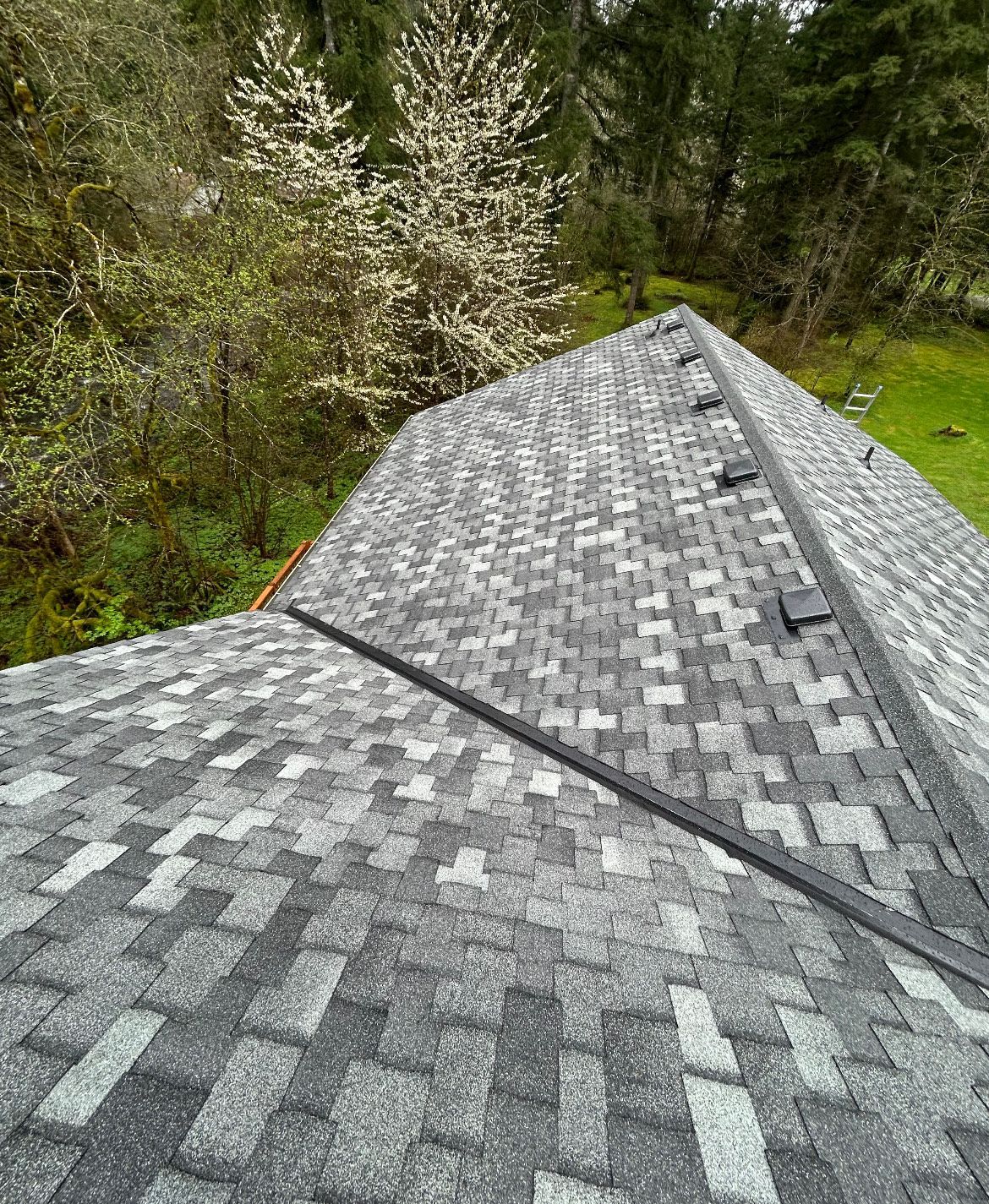
This is partially why RedBird Roofing installs Malarkey shingles for residential roofing in Vancouver and Portland. As a Malarkey Emerald Pro Certified Contractor (the top tier of Malarkey's program), RedBird can offer wind resistance ratings up to 130-140 mph, backed by enhanced manufacturer warranties that non-certified installers can't provide.
Older homes in Orchards and Battle Ground often predate modern wind-resistance standards. If your roof is 15 or more years old, a storm event is frequently the first sign that the system has been quietly losing integrity.
Frequently Asked Questions
How quickly can RedBird Roofing respond to an emergency roof repair in Vancouver or Portland?
RedBird Roofing has 24/7 live answering and offers same-day arrival availability for emergency roof repair requests in the Vancouver, WA and Portland, OR metro areas. Response time depends on storm conditions, but calling immediately gets you on the dispatch queue ahead of other claims, which matters when multiple roofs are damaged in the same event.
Will homeowners insurance cover emergency roof repairs from storm damage?
Most standard homeowners insurance policies cover storm-related roof damage, including emergency tarping and temporary repairs, as long as the damage results from a covered event like wind or hail. Document everything before any repairs are made: photograph the exterior damage, interior water intrusion, and any belongings affected. Your insurer will need that documentation to process the claim.
Can a roof be repaired during a storm, or does the crew have to wait?
Active rain and high wind prevent permanent roof repairs because adhesives and sealants won't cure on wet surfaces and crew safety is compromised. However, emergency tarping and interior containment can often happen the same day. Permanent repairs typically follow once the weather breaks, which in the Pacific Northwest usually means a window of 24 to 72 hours between storm systems.
Ensure Your Roof Holds Through the Next Storm
Stop interior damage first, limit roof access until the weather breaks, and have someone assess your roof before the next storm rolls in. In a region where fall and winter can deliver back-to-back weeks of rain, a roof that's already compromised is a compounding problem.
If your roof is actively leaking or you want a post-storm assessment, request a free estimate from RedBird Roofing or call (360) 605-3127. A live person answers around the clock, and same-day appointments are available across Vancouver, Portland, and the surrounding metro areas.
Contact Us Today!
We will get back to you as soon as possible.
Please try again later.