Roof Flashing Repairs: Pricing, Tips, and What to Expect
Repairing roof flashing typically costs $200 to $500 for minor fixes and $500 to $1,500 or more when multiple areas need re-flashing. Pricing depends on the type of flashing, the extent of replacement, and whether the deck has been water-damaged. RedBird Roofing serves Vancouver, WA and Portland, OR homeowners and breaks down what drives those numbers below.
After inspecting hundreds of roofs across Vancouver and Portland, we've noticed the same thing catches homeowners off guard: not the cost, but the scale. A one-inch gap in step flashing can cause thousands of dollars in interior damage before anyone notices. The gap was the size of a pencil eraser. The damage was not.
What Flashing Does—and Why Small Failures Cost Big
Flashing is the metal sheeting (typically aluminum, galvanized steel, or copper) installed wherever your roof meets a vertical surface: chimneys, skylights, dormers, valleys, and walls where an addition joins the original structure. Its job is to redirect water away from seams before it reaches the deck or framing below. When it fails, water travels.
Capillary action pulls moisture horizontally along framing members, so by the time a ceiling stain appears, the source of the leak is often several feet away. That's why early detection through aroof inspection matters more than most homeowners expect.
What Drives Roof Flashing Repair Costs?
The type of flashing you have is only the starting point. Step flashing—the L-shaped pieces layered alongside a dormer or sidewall—is the most labor-intensive because each piece has to be woven between shingles. Chimney counter flashing sits in mortar joints and requires careful extraction. Pipe boot flashing (the rubber collar around a plumbing vent) is generally quicker to address.
The extent of replacement shapes the cost. Resealing one area might run $200 to $300. Full step flashing along a dormer typically runs $400 to $800. Chimney re-flashing usually costs $600 to $1,200. Deck damage is the wildcard. If the Oriented Strand Board (OSB) deck below has degraded from constant moisture, replacement adds $300 to $700 or more depending on the extent of the damage.
The Flashing Problems We See Most Often in Vancouver and Portland
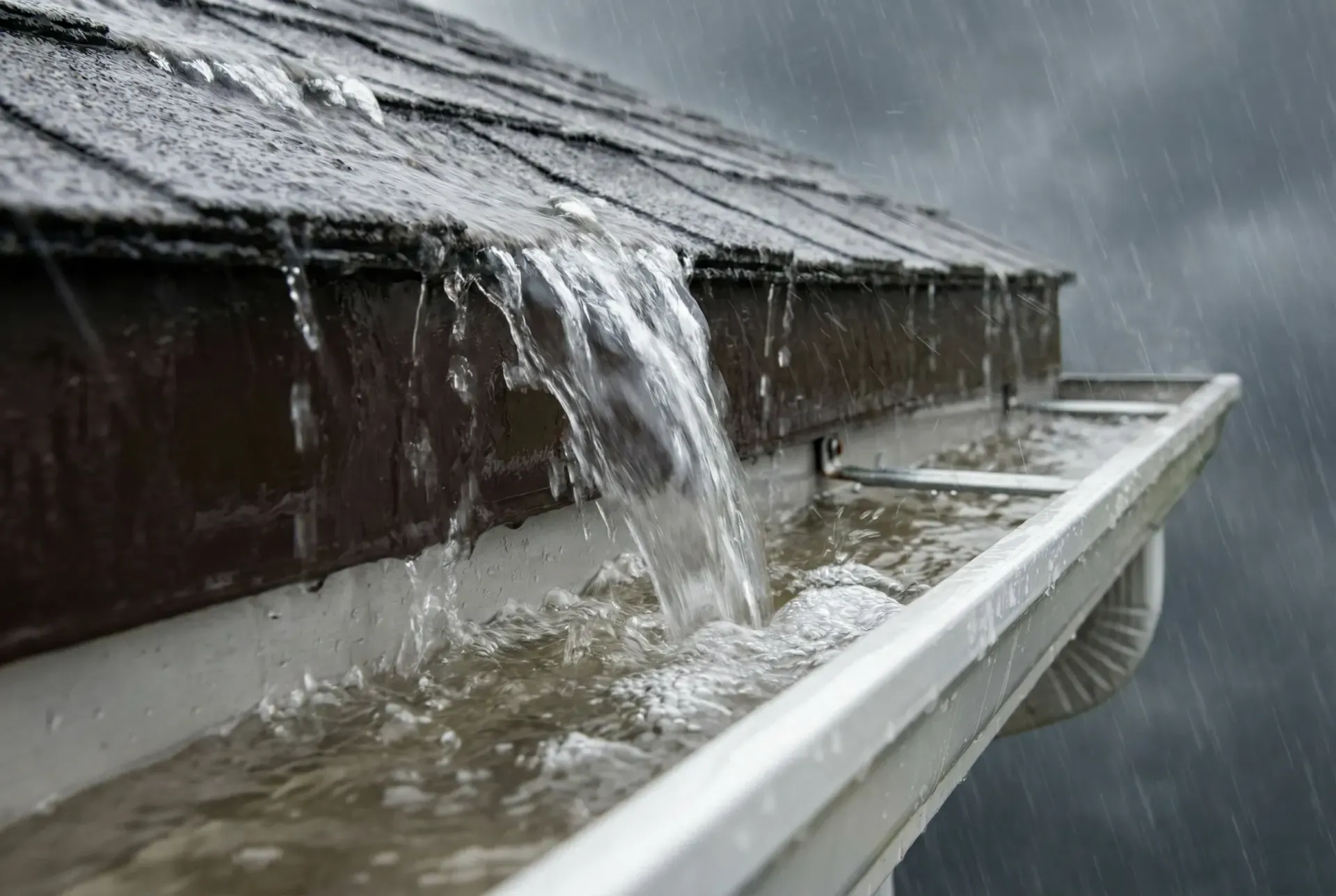
Vancouver and Portland see significant annual rainfall. PNW rain saturates roofs for days at a time. That sustained exposure separates a flashing installation that holds up for 20 years from one that starts failing at year seven.
Here are the most common failure points we see in the area:
- Chimney counter flashing where mortar joints cracked and released the metal, common in 1970s and 1980s homes
- Step flashing at dormers installed without proper sealant overlap
- Pipe boot flashings where the rubber collar has dried and split
- Valley flashing in older homes where the metal has corroded
Wind events amplified by the Columbia River Gorge push rain under lifted edges and accelerate all of the above. Our post on how to spot roof hail damage covers the same inspection approach. It’s worth a review after any major wind event.
When To Repair vs. Replace Flashing
Repair is the right call when flashing has separated from its substrate but the metal itself is still sound—no corrosion, no holes, no brittle edges. Re-bedding and resealing can add five to ten years of service in that case.
Replacement makes more sense when the metal has corroded, when the same spot keeps needing attention, or when the roof is nearing the end of its life. Paying for a flashing repair on a 28-year-old roof with failing shingles rarely pencils out. Our guide on roof repair vs. replacement walks through that decision in detail.
RedBird Roofing includes a free attic inspection with every repair estimate. What looks like a flashing issue from outside sometimes points to a ventilation or decking problem underneath. Catching that before work begins costs nothing.
Frequently Asked Questions
How Long Does Roof Flashing Typically Last?
Aluminum and galvanized steel flashing can last 15 to 25 years under normal conditions. Copper often outlasts both by a significant margin. In the Pacific Northwest, sustained moisture and moss accumulation tend to push aluminum and steel toward the lower end of that range, particularly on north-facing roof sections where drying time between rain events is limited.
Can I Reseal Roof Flashing Myself?
Minor resealing with roofing caulk is manageable for DIYers on low-slope, accessible sections. Step flashing repair is more involved. It requires weaving new metal pieces under existing shingles, which risks breaking shingle seals and creating new leaks. Most flashing failures benefit from a professional assessment before any work starts.
Will Homeowner's Insurance Cover Flashing Repair?
Coverage depends on the cause. Sudden storm damage—wind lifting flashing or impact from a falling branch—is often covered under a standard policy. Gradual deterioration from age is typically excluded. RedBird Roofing helps Vancouver and Portland homeowners document storm-related damage and clarify what may qualify before a claim is filed.
Get a Professional Eye on Your Flashing
Flashing problems don't announce themselves until interior damage is already underway. If you've noticed a ceiling stain, had recent storm exposure, or just haven't had the roof looked at in a few years, get eyes on those transition points now.
Request a
free roofing estimatefrom RedBird Roofing. It includes a free attic inspection and a straight answer on what's going on up there.
Contact Us Today!
We will get back to you as soon as possible.
Please try again later.