Composite Roofing vs Asphalt Shingles: Cost, Durability, and Lifespan Compared
In the world of residential roofing, the debate between traditional materials and modern innovations is always evolving. Two of the most popular choices for homeowners today are composite roofing and architectural asphalt shingles. While both provide excellent protection, they offer different advantages in terms of cost, durability, aesthetics, and long-term value. For homeowners in the Pacific Northwest, where roofing materials are put to the ultimate test, understanding these differences is key.
This guide will compare composite roofing and asphalt shingles to help you make an informed decision for your next
roof replacement project.
Aesthetics: The Look of Luxury vs. Versatile Appeal
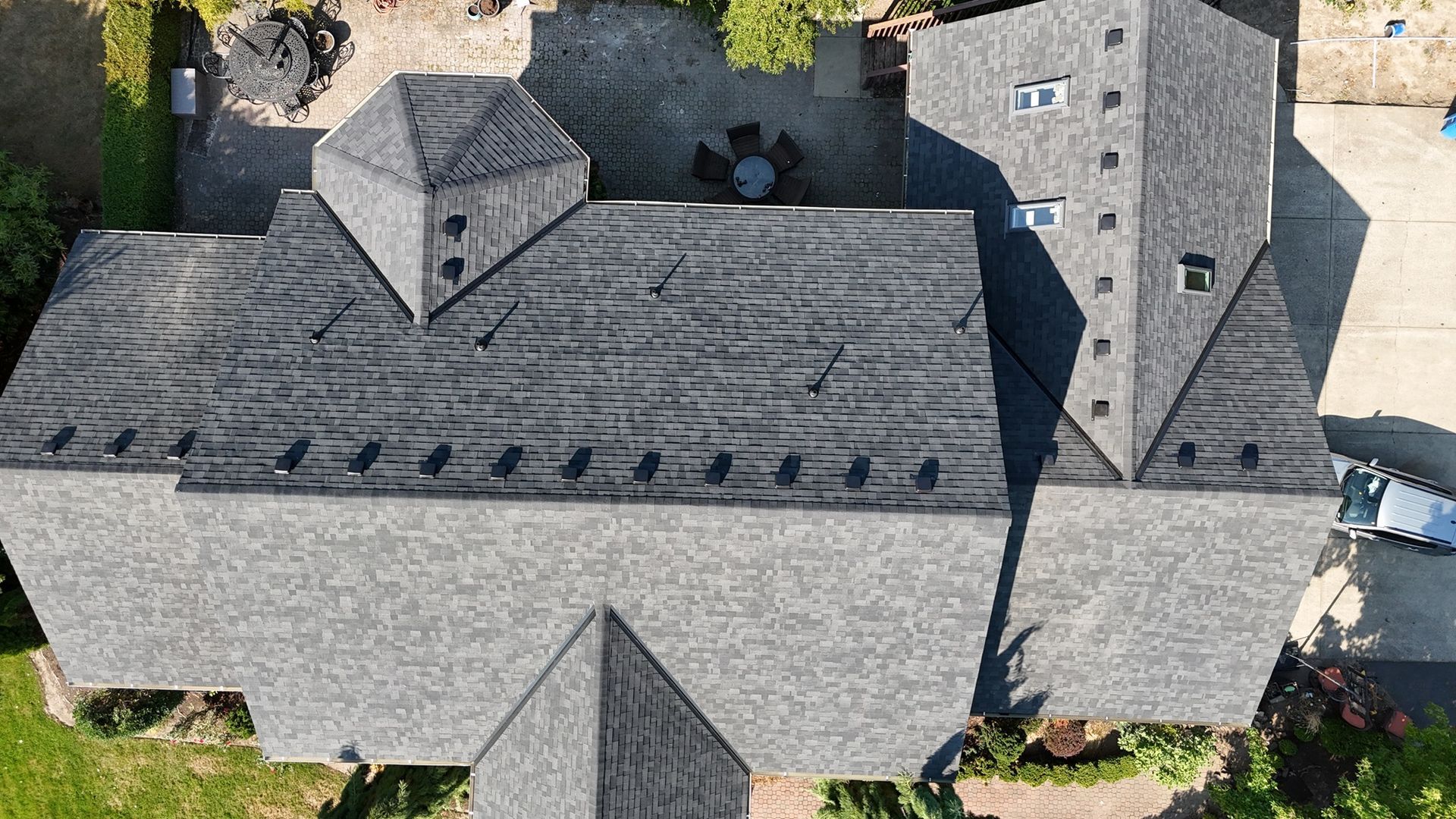
- Composite Roofing: The primary aesthetic advantage of composite roofing is its ability to flawlessly mimic the look of high-end, natural materials. It can replicate the appearance of natural slate, cedar shakes, or clay tiles with stunning accuracy. This allows homeowners to achieve a premium, architectural look without the associated maintenance or structural requirements. For those who love the look of a cedar shake roof but are wary of the upkeep, composite is an ideal solution. Our guide on asphalt shingles vs cedar shakes provides more context on this.
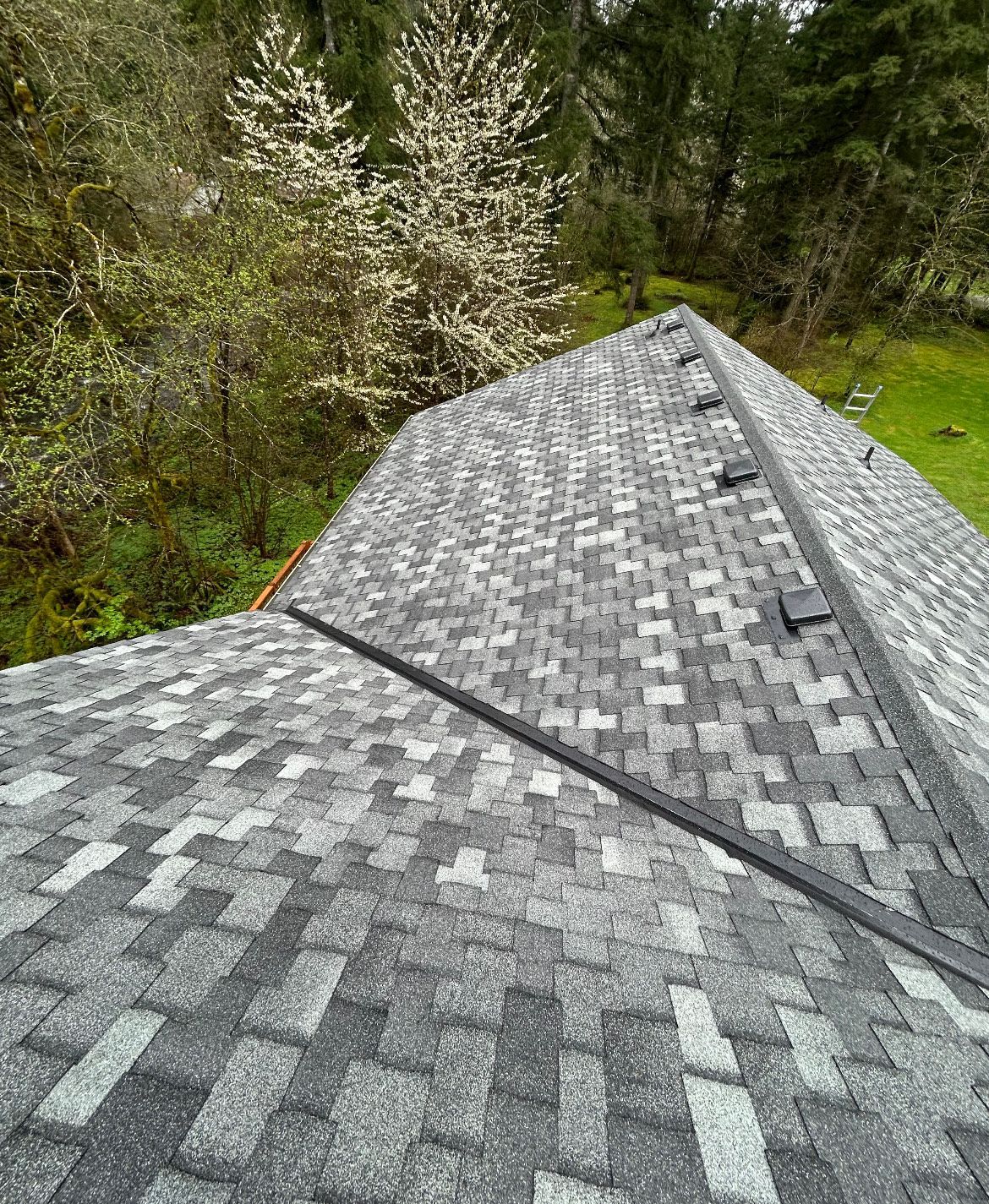
- Asphalt Shingles: Architectural asphalt shingles are the chameleons of the roofing world. They are available in an extensive range of colors and styles, making it easy to find a look that complements any home. While they may not replicate the exact texture of natural materials as precisely as composite, they offer a clean, consistent, and attractive appearance that has made them the most popular roofing material in North America.
Durability and Lifespan: The Long-Term Champion

- Composite Roofing: Durability is where composite roofing truly excels. Made from a blend of synthetic polymers, recycled materials, and impact modifiers, composite shingles are built to last. They boast a lifespan of 40 to 50 years and often come with a Class 4 impact rating, the highest available, making them exceptionally resistant to hail and storm damage. They are also highly resistant to wind, fire, and, most importantly for the PNW, moisture, rot, and moss growth.
- Asphalt Shingles: High-quality architectural asphalt shingles offer a respectable lifespan of 20 to 30 years. They are durable and designed to withstand the elements, but they are not as robust as composite materials. They are more susceptible to granule loss over time and can be more vulnerable to damage from severe storms or falling debris.
Cost: Upfront Investment vs. Long-Term Value
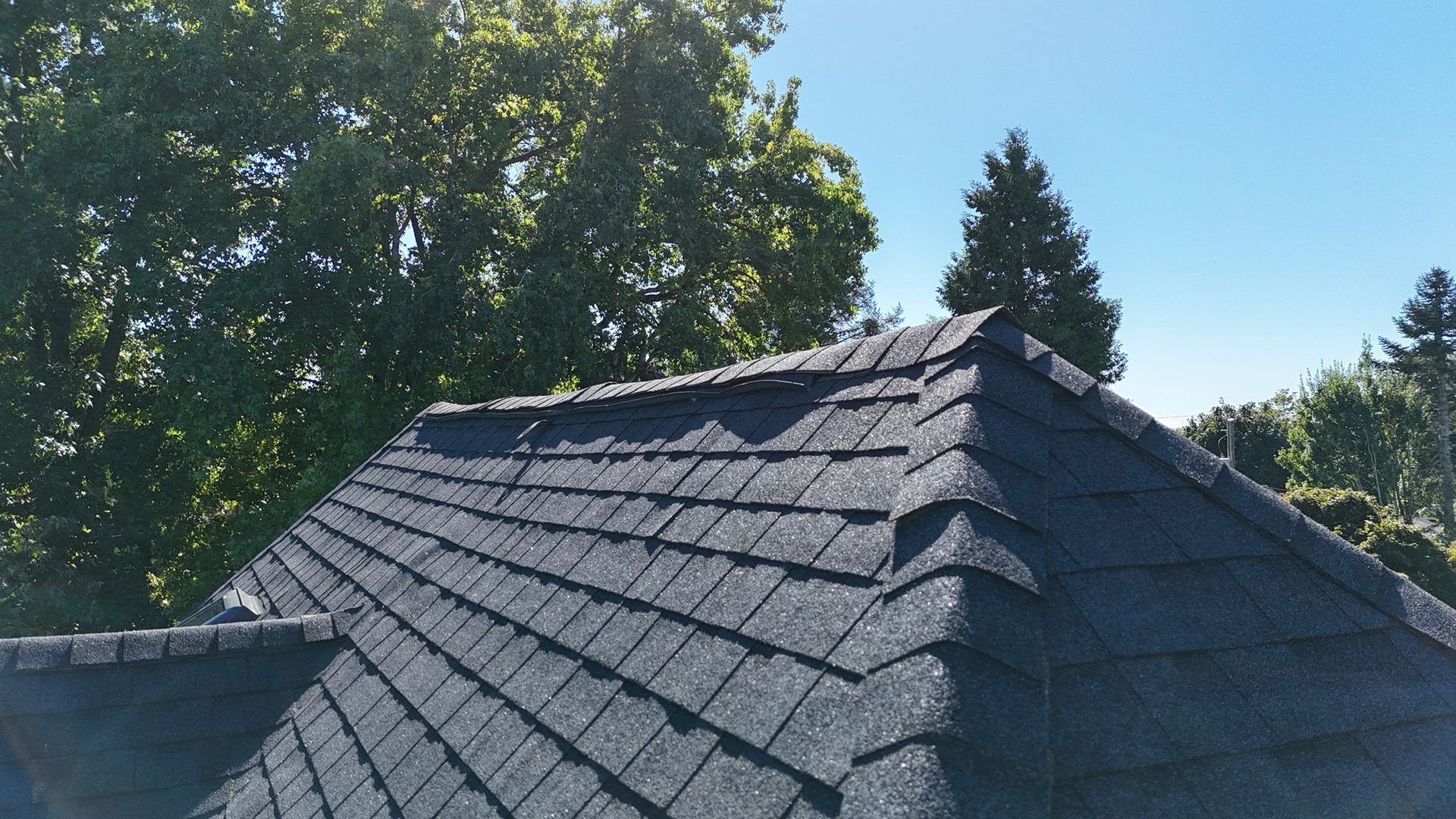
- Composite Roofing: As a premium product, composite roofing comes with a higher upfront cost. Both the materials and the installation are more expensive than asphalt shingles. However, this initial investment is offset by the material’s exceptional longevity and low maintenance requirements. Over the life of the roof, the long-term value of composite can be very competitive.
- Asphalt Shingles: For homeowners focused on the initial budget, asphalt shingles are the clear winner. Their lower material and installation costs make them a more accessible option for a wider range of homeowners. This affordability is a key factor in their enduring popularity.
Maintenance in the PNW
- Composite Roofing: Composite roofing is virtually maintenance-free. Its synthetic composition is impervious to moisture, making it highly resistant to the moss, algae, and rot that are among the most common PNW roofing issues. An annual inspection is all that is typically needed.
- Asphalt Shingles: While modern asphalt shingles often include algae-resistant features, they still require more attention than composite materials. It is important to follow a rainy season roof maintenance checklist to ensure debris is cleared and moss is not allowed to take hold.
Weight and Structural Considerations
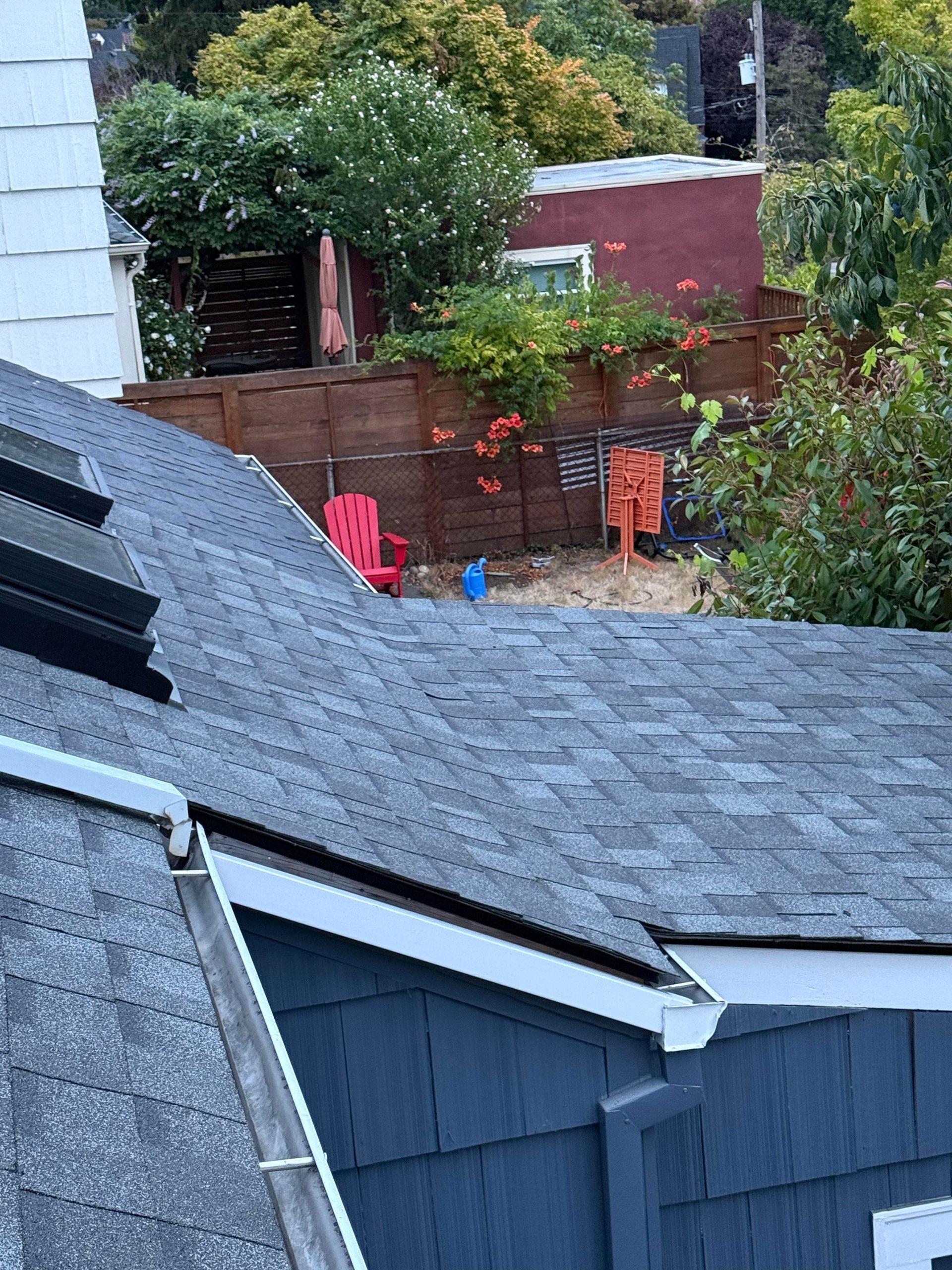
The weight of your roofing material is an important consideration, particularly for older homes.
- Composite Roofing: Composite shingles are significantly lighter than the natural materials they mimic, such as slate or clay tiles. This makes them an excellent choice for homes that may not have the structural capacity to support a heavier roof. They can provide the aesthetic of a premium material without requiring costly structural reinforcements.
- Asphalt Shingles: Architectural asphalt shingles are also relatively lightweight and can be installed on virtually any home without structural concerns.
Choose the Right Roofing for Your Home
The decision between composite roofing and asphalt shingles is a choice between upfront affordability and long-term performance.
- Choose Composite Roofing if: You have a larger budget and your priority is maximum durability, a premium aesthetic, and minimal long-term maintenance. You want the look of natural slate or cedar without the associated upkeep.
- Choose Asphalt Shingles if: You are looking for a reliable, attractive, and cost-effective roofing solution. Your budget is more focused on the upfront cost, and you are comfortable with a 20-30 year lifespan.
For many homeowners, the balance of cost and performance offered by architectural asphalt shingles is the right fit. However, for those seeking the ultimate in durability and a high-end aesthetic, composite roofing is an investment in long-term peace of mind.
Have more questions about composite or asphalt roofing?
Our team at RedBird Roofing is here to help. We can provide you with samples, detailed estimates, and a professional recommendation based on your specific needs and budget. Contact us today to schedule your free consultation.
Read More on Our Blog:
Contact Us Today!
We will get back to you as soon as possible.
Please try again later.