What is Residential Roofing? A Complete Breakdown for Homeowners
When it comes to protecting your home, few things are as critical as a solid roof over your head. But what exactly is residential roofing, and why should homeowners understand the basics? This comprehensive guide will help you understand everything you need to know about residential roofing systems.
Residential Roofing Basics

Residential roofing refers to the complete roofing system designed specifically for homes and residential properties. Unlike commercial roofing, which covers businesses and industrial buildings, residential roofing focuses on protecting single-family homes, townhouses, and condominiums where people live.
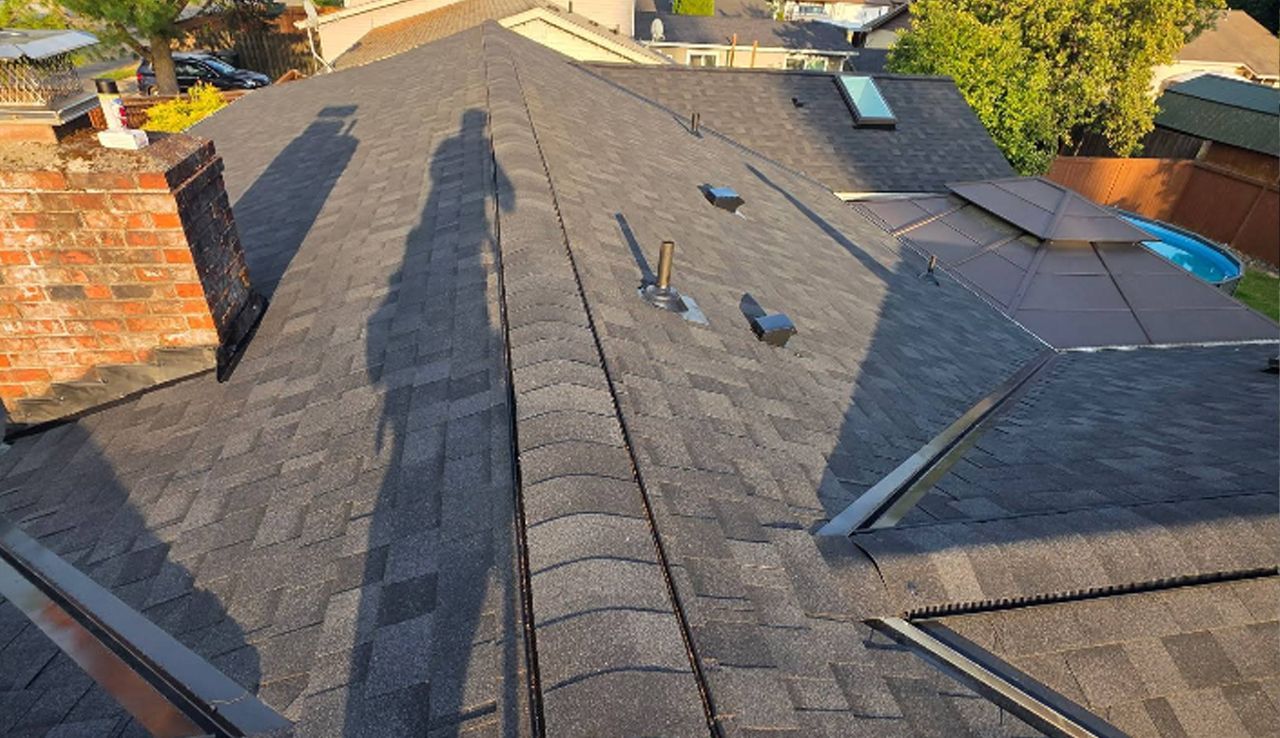
A residential roofing system isn't just the shingles you see from the street. It's a complex assembly of multiple components working together to protect your home from the elements. This comprehensive system includes the roof deck (the structural foundation), underlayment (a water-resistant barrier), the roofing material itself, flashing (metal pieces that prevent water intrusion), ventilation systems, and gutters that channel water away from your home's foundation.
Key Components of a Residential Roof

The Roof Deck
The roof deck serves as the foundation of your entire roofing system, typically made from plywood or oriented strand board. This structural layer supports all other roofing components and must be solid and free from damage to ensure a long-lasting roof that can withstand the elements.
Underlayment
Above the deck lies the underlayment, a critical water-resistant or waterproof barrier that provides an additional layer of protection. Modern underlayments are typically made from synthetic materials that offer superior protection compared to traditional felt paper.
Roofing Material
The roofing material is what most people think of when they picture a roof. Options range from asphalt shingles and metal panels to tile, slate, and wood shakes. Each material offers different benefits in terms of durability, aesthetics, cost, and performance in various climates.
Flashing
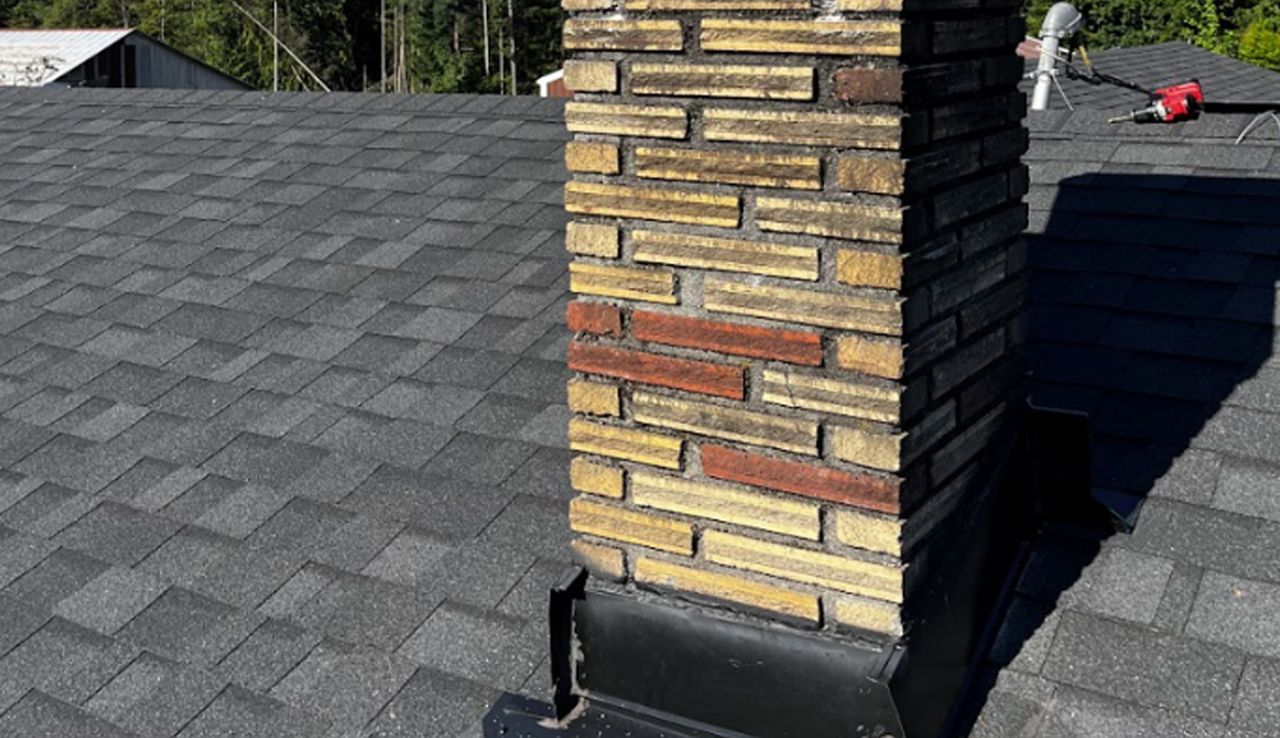
Flashing consists of metal strips installed at joints and valleys where water tends to accumulate. Proper flashing installation is essential for preventing leaks around chimneys, skylights, vents, and where different roof planes meet.
Common Residential Roofing Types

Asphalt Shingles
Asphalt shingles dominate the residential roofing market, covering approximately 80% of American homes. They're affordable, relatively easy to install, and come in numerous colors and styles to match any architectural design. Most asphalt shingles last between 20 and 30 years with proper maintenance and care.
Metal Roofing
Metal roofing has gained significant popularity among homeowners seeking durability and energy efficiency. Standing seam metal roofs, metal shingles, and metal tiles can last 40 to 70 years and reflect solar heat, potentially reducing cooling costs during warmer months.
Tile Roofing
Tile roofing, whether clay or concrete, offers exceptional longevity and a distinctive aesthetic appeal. Common in Spanish and Mediterranean-style homes, tile roofs can last 50 to 100 years but require a reinforced roof structure due to their substantial weight.
Wood Shake and Shingle Roofs
Wood shake and shingle roofs provide natural beauty and excellent insulation properties. While they require more maintenance than other options, they can last 30 to 40 years when properly cared for and treated.
The Importance of Proper Installation
Even the highest-quality roofing materials will fail prematurely without proper installation. Professional residential roofing installation ensures that every component is correctly placed, sealed, and secured according to manufacturer specifications and local building codes. Proper installation ensures waterproofing integrity at critical points, maximizes material lifespan and warranty coverage, prevents premature failure and costly repairs, and guarantees compliance with local building codes and regulations.
Maintenance and Inspection Needs
Residential roofs require regular maintenance to achieve their full lifespan potential. Homeowners should schedule professional roof inspections at least once annually, preferably in the fall before winter weather arrives.
Essential Maintenance Tasks
Regular maintenance includes cleaning gutters and downspouts, removing debris from the roof surface, checking for damaged or missing shingles, and inspecting flashing for signs of rust or separation. Homeowners should also ensure proper attic ventilation and look for signs of moss or algae growth. Catching small issues early through routine inspections can prevent costly roof repairs down the road.
When Replacement Becomes Necessary

Most residential roofs will eventually require replacement rather than continued repairs. Key indicators for replacement include a roof that is 20 to 25 years old or older, shingles that are curling, cracking, or missing, daylight visible through roof boards, neighbors replacing their roofs if built at the same time, energy bills increasing due to poor insulation, and granules collecting in gutters.
While roof replacement represents a significant investment, it also provides an opportunity to upgrade to more durable or energy-efficient materials, improve your home's curb appeal, and increase property value substantially. Consider exploring financing options to make your roofing project more affordable.
The Role of Climate and Location
Your local climate significantly impacts which roofing materials perform best. Homes in areas with heavy rainfall need excellent water resistance, while properties in regions with intense sun exposure benefit from reflective or UV-resistant materials. Snow load capacity, wind resistance, and fire ratings are other climate-related factors to consider.
In the Pacific Northwest, including areas like Portland and Vancouver, the focus should be on water resistance and moss prevention. Hot climates require prioritizing UV resistance and heat reflection. Cold climates demand consideration of ice dam prevention and snow load capacity. Coastal areas benefit from materials resistant to salt air corrosion and high winds. Professional roofing contractors understand these regional considerations and can recommend appropriate materials for your specific location.
Final Thoughts
Understanding residential roofing basics empowers homeowners to make informed decisions about their most important investment. From recognizing the various components of your roofing system to knowing when maintenance or replacement is needed, this knowledge helps protect your home and family while maximizing your roof's lifespan and performance. Don't hesitate to view our gallery to see examples of quality residential roofing work.
Ready to discuss your residential roofing needs?
Contact RedBird Roofing today for a
free inspection and estimate. Our experienced team serves homeowners throughout the Portland and Vancouver areas with quality craftsmanship and exceptional customer service.
Considering a Roof Upgrade? Get a Free Online Estimate in Seconds
Get your roof replacement estimate in seconds— fast, simple, and no obligation. Our full reroofing service handles everything from inspection to professional installation, so you can upgrade with confidence and protect your home today.
Contact Us Today!
We will get back to you as soon as possible.
Please try again later.